Adab is Islam in the small moments — the hand you eat with, the words you say at the door, what you do when you walk into the masjid. Each lesson gives one habit and the hadith it comes from, so a child can copy the Prophet ﷺ on purpose rather than by accident.
Lesson 1 · At the table · ages 5-7
Eating and drinking
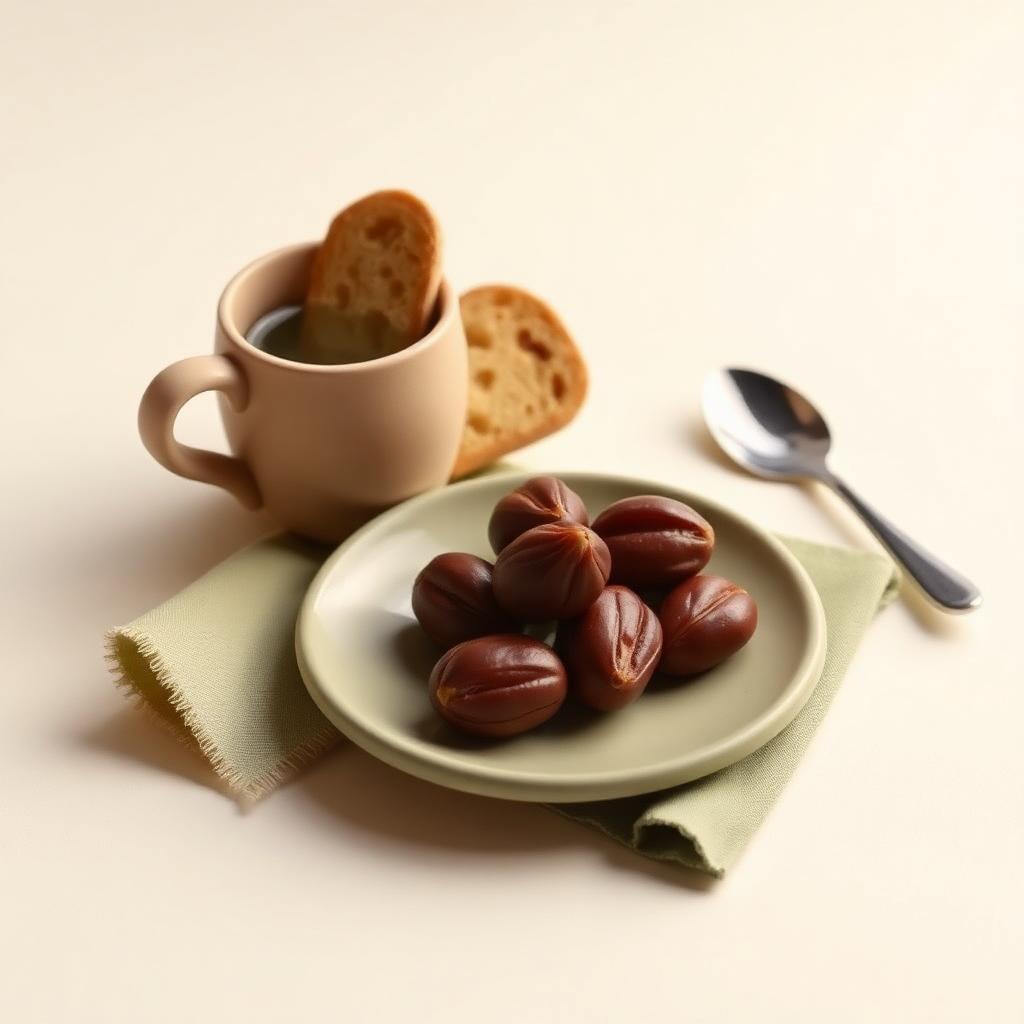
Simple sunnahs turn every meal into worship: say Bismillah, eat with your right hand, and take what is nearest to you.
1Say Bismillah
Mention the name of Allah before your first bite — out loud, so you remember Who gave you the food.
2Right hand
The Prophet ﷺ taught a boy in his care to eat with his right hand.
3Eat what is nearest
Do not reach across the dish for the best bit; take from what is in front of you.
4Say Alhamdulillah after
Thanking Allah at the end is as important as starting with His name.
5Do not waste
Finish what is on your plate and take a smaller portion if you are not very hungry.
Yaaa ayyuhal lazeena aamanoo kuloo min taiyibaati maa razaqnaakum washkuroo lillaahi in kuntum iyyaahu ta'budoon
“O you who have believed, eat from the good things which We have provided for you and be grateful to Allah if it is [indeed] Him that you worship.”
“O boy! Mention the name of Allah and eat with your right hand, and eat of the dish what is nearer to you.”
Sahih al-Bukhari 5376
Memorise this
بِسْمِ اللَّهِ
Bismillah
In the name of Allah.
Said before eating — Sahih al-Bukhari 5376
Do this before next time
At every meal today: Bismillah before, right hand during, Alhamdulillah after.
Lesson 2 · Greeting people · ages 5-7
Salam and a smiling face
Assalamu alaykum is a dua, not just a hello — you are asking Allah for peace for the other person. The Prophet ﷺ told us that spreading salam grows love between Muslims.
1What it means
Assalamu alaykum means peace be upon you — you are making dua for them.
2Reply better
The Qur'an tells us to answer a greeting with one at least as good: wa alaykumus salam wa rahmatullahi wa barakatuh.
3Salam builds love
The Prophet ﷺ said spreading salam is a way to make Muslims love one another.
4A smile is charity
Meeting your brother with a smiling face is counted as a good deed.
5Greet everyone
Not only the people you know or like — the young, the old, family at home too.
Wa izaa huyyeetum bitahiy yatin fahaiyoo bi ahsana minhaaa aw ruddoohaa; innal laaha kaana 'alaa kulli shai'in Haseeba
“And when you are greeted with a greeting, greet [in return] with one better than it or [at least] return it [in a like manner]. Indeed, Allah is ever, over all things, an Accountant.”
“You shall not enter Paradise until you believe, and you will not believe until you love one another. Shall I not direct you to a thing which, if you do it, will foster love amongst you? Give currency to salam.”
Sahih Muslim 54a
“Every good is charity. Indeed among the good is to meet your brother with a smiling face.”
Wa Huwal lazee ja'ala lakumul laila libaasanw wannawma subaatanw wa ja'alan nahaara nushooraa
“And it is He who has made the night for you as clothing and sleep [a means for] rest and has made the day a resurrection.”
“When the Prophet ﷺ went to bed at night he would put his hand under his cheek and say: Allahumma bismika amutu wa ahya; and when he got up he would say: Alhamdulillahil-ladhi ahyana ba'da ma amatana wa ilayhin-nushur.”
Sahih al-Bukhari 6314
Memorise this
اللَّهُمَّ بِاسْمِكَ أَمُوتُ وَأَحْيَا
Allahumma bismika amutu wa ahya
O Allah, in Your name I die and I live.
Sahih al-Bukhari 6314
Do this before next time
Say the sleeping dua tonight and the waking dua tomorrow, before you speak to anyone.
Lesson 4 · The house of Allah · ages 8-11
In the masjid
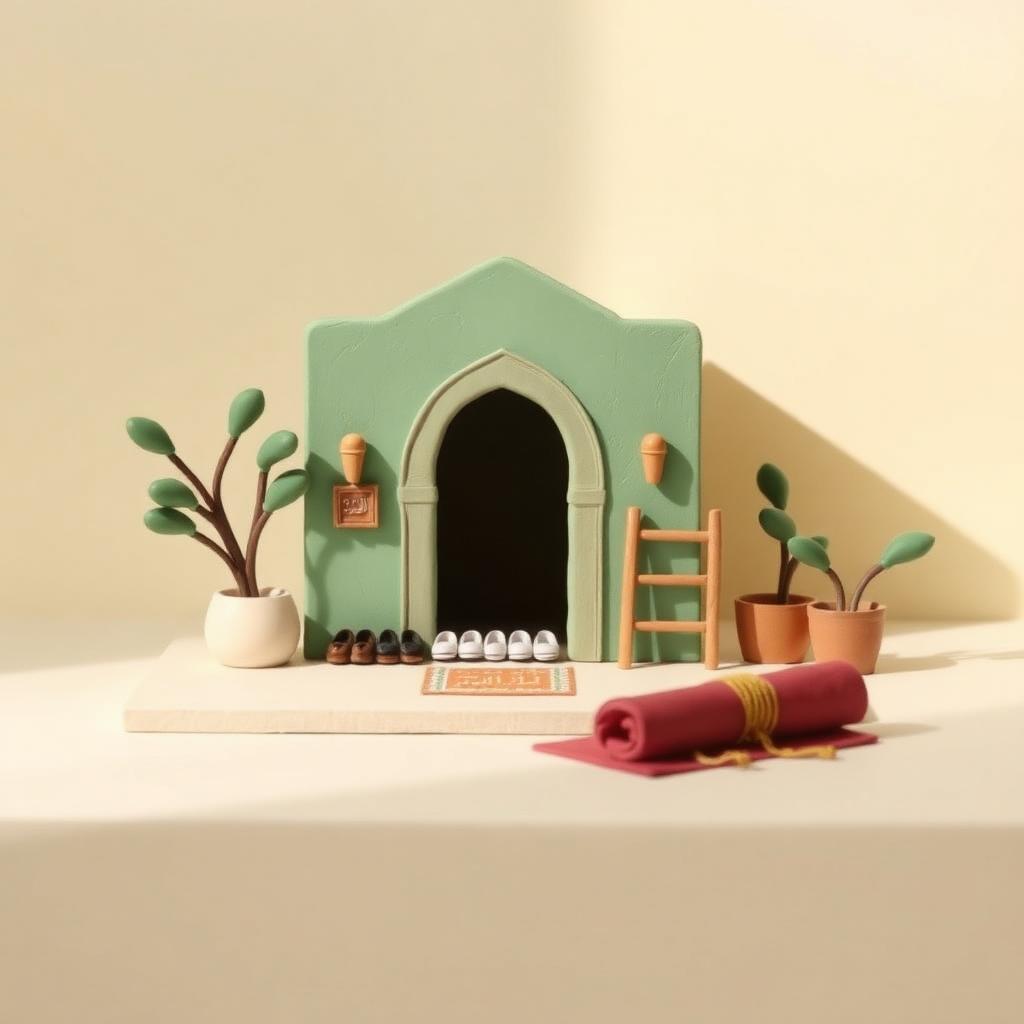
The masjid is the house of Allah. There is a way to come in, a prayer to offer before you sit, and a way to behave once you are inside.
1Right foot first
Enter with the right foot and leave with the left, and keep your voice low.
2Two rak'ah before sitting
The Prophet ﷺ said that whoever enters a masjid should not sit until he has prayed two rak'ah.
3Clean clothes, clean feet
Come clean, with shoes off and placed neatly on the rack.
4No running or shouting
Children are welcome in the masjid — but as guests of Allah, not as a playground.
5Who fills the masjid
The Qur'an says the masjids of Allah are maintained by those who believe in Him and pray.
Innamaa ya'muru masaa jidal laahi man aamana billaahi wal Yawmil Aakhiri wa aqaamas Salaata wa aataz Zakaata wa lam yakkhsa illal laaha fa'asaaa ulaaa'ika ai yakoonoo minal muhtadeen
“The mosques of Allah are only to be maintained by those who believe in Allah and the Last Day and establish prayer and give zakah and do not fear except Allah, for it is expected that those will be of the [rightly] guided.”
“If anyone of you enters a masjid, he should not sit until he has offered a two-rak'ah prayer.”
Sahih al-Bukhari 1167
Do this before next time
Next time you go to the masjid, pray two rak'ah before you sit down and put your shoes on the rack.
Lesson 5 · Being a good host · ages 8-11
Guests, doors and neighbours
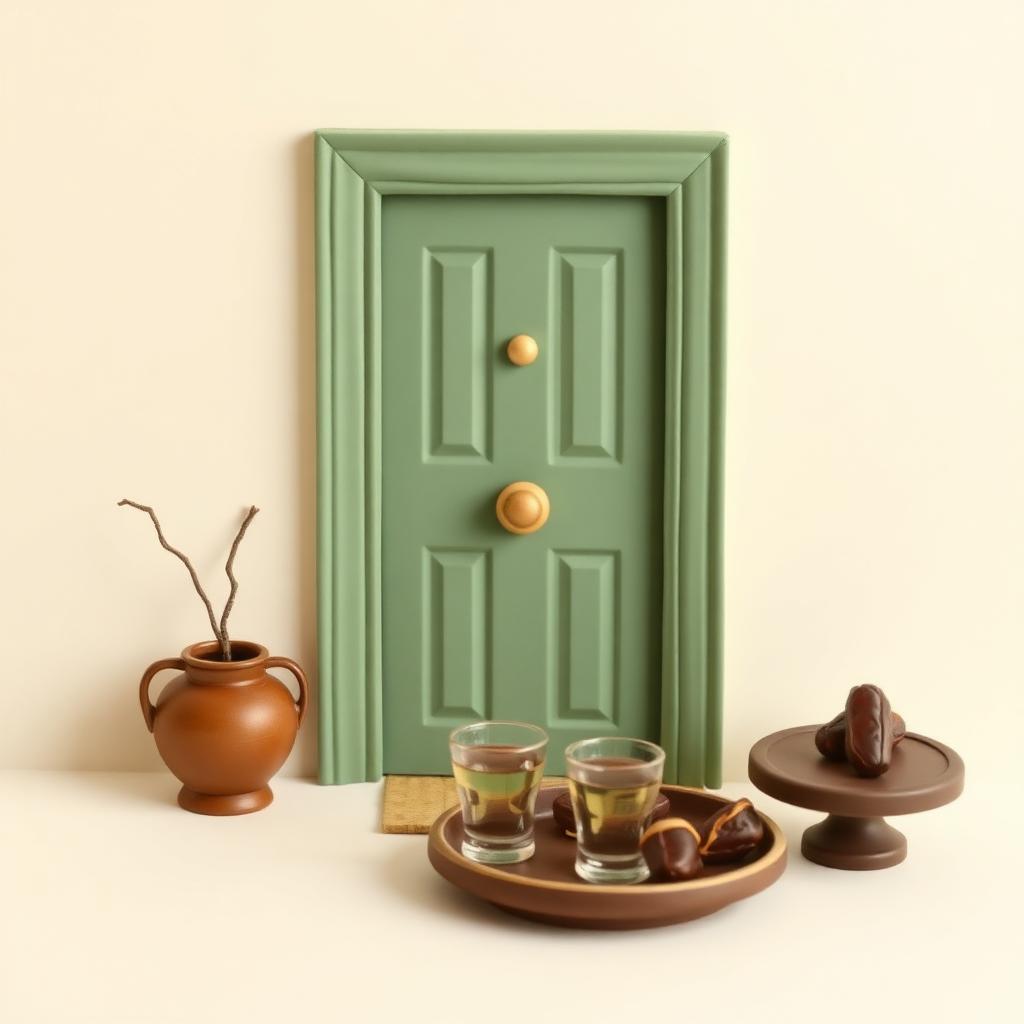
Islam has manners for the doorstep: ask permission before you enter, greet, and look after your guest generously — and never harm your neighbour.
1Ask permission
The Qur'an tells us not to enter homes until we have asked permission and greeted the people inside.
2Honour your guest
The Prophet ﷺ linked belief in Allah and the Last Day with serving your guest generously.
3Look after your neighbour
The same hadith says whoever believes in Allah and the Last Day should treat his neighbour generously.
4Speak good or stay quiet
The hadith ends with: whoever believes in Allah and the Last Day should say what is good or keep silent.
5Guests are for three days
Hospitality is generous but not endless — the Prophet ﷺ set a limit of three days.
Yaaa aiyuhal lazeena aamanoo laa tadkhuloo buyootan ghaira buyootikum hatta tastaanisoo wa tusallimoo 'allaa ahlihaa; zaalikum khairul lakum la'allakum tazakkaroon
“O you who have believed, do not enter houses other than your own houses until you ascertain welcome and greet their inhabitants. That is best for you; perhaps you will be reminded.”
“Anybody who believes in Allah and the Last Day should serve his neighbour generously, and anybody who believes in Allah and the Last Day should serve his guest generously… and anybody who believes in Allah and the Last Day should say what is good or keep quiet.”
Sahih al-Bukhari 6019
Do this before next time
Knock, greet and ask permission every time you enter a room at home today — including your parents' room.
Lesson 6 · Mercy to creation · ages 5-7
Kindness to animals
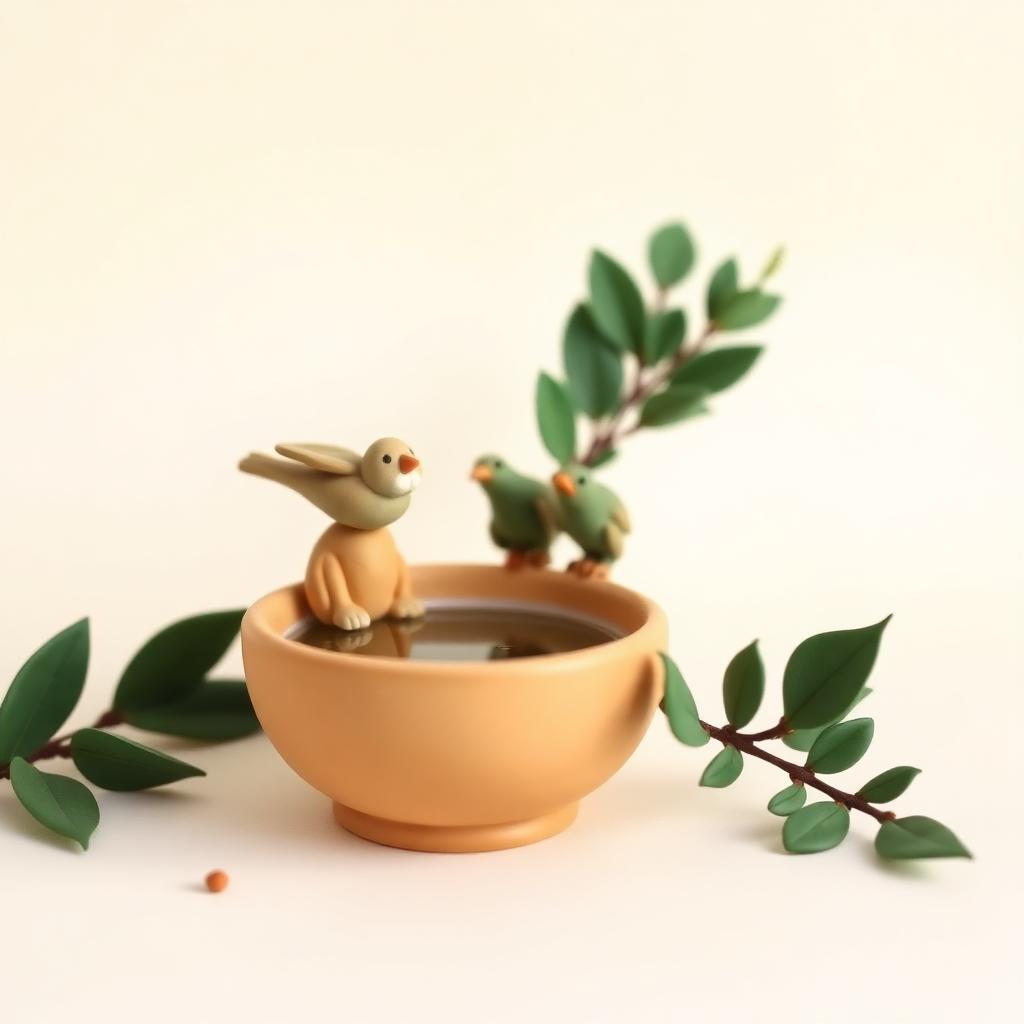
Animals are creatures of Allah too. The Prophet ﷺ told us that giving water to a thirsty animal is rewarded, and that there is a reward for serving any living being.
1A man and a thirsty dog
A traveller climbed into a well to fill his shoe with water for a panting dog — and Allah forgave him for it.
2Reward for every living thing
The Prophet ﷺ said there is a reward for serving any living being.
3Never tease or hurt
Throwing stones at cats, birds or insects for fun is not something a Muslim does.
4Feed and water
Leaving out water in hot weather is a small, real good deed.
5Animals are communities
The Qur'an says every creature on the earth and bird in the sky belongs to a community like ours.
Wa maa min daaabbatin fil ardi wa laa taaa'iriny yateeru bijanaahaihi illaaa umamun amsaalukum; maa farratnaa fil Kitaabi min shai'in summa ilaa Rabbihim yuhsharoon
“And there is no creature on [or within] the earth or bird that flies with its wings except [that they are] communities like you. We have not neglected in the Register a thing. Then unto their Lord they will be gathered.”
“A man saw a dog panting from thirst, so he went down a well and filled his shoe with water and gave it to the dog. Allah thanked him for that deed and forgave him. They said: Is there a reward for us in serving animals? He said: Yes, there is a reward for serving any living being.”
Sahih al-Bukhari 2466
Do this before next time
Put out a bowl of clean water for birds or a pet today, and check it tomorrow.
Every ayah on this page comes from the Tanzil Uthmani text of the Qur'an with the Sahih International translation, and every hadith carries its collection and number so you can check it yourself. Back to the learning path