Two prophets Allah made kings

Dawud and Sulayman

Allah gave Dawud and Sulayman kingdoms, strength and knowledge — and the Qur'an tells us the first thing they did with it was thank Allah and judge people fairly. Every ayah below is shown from the verified Uthmani text, and no prophet is pictured in any illustration.

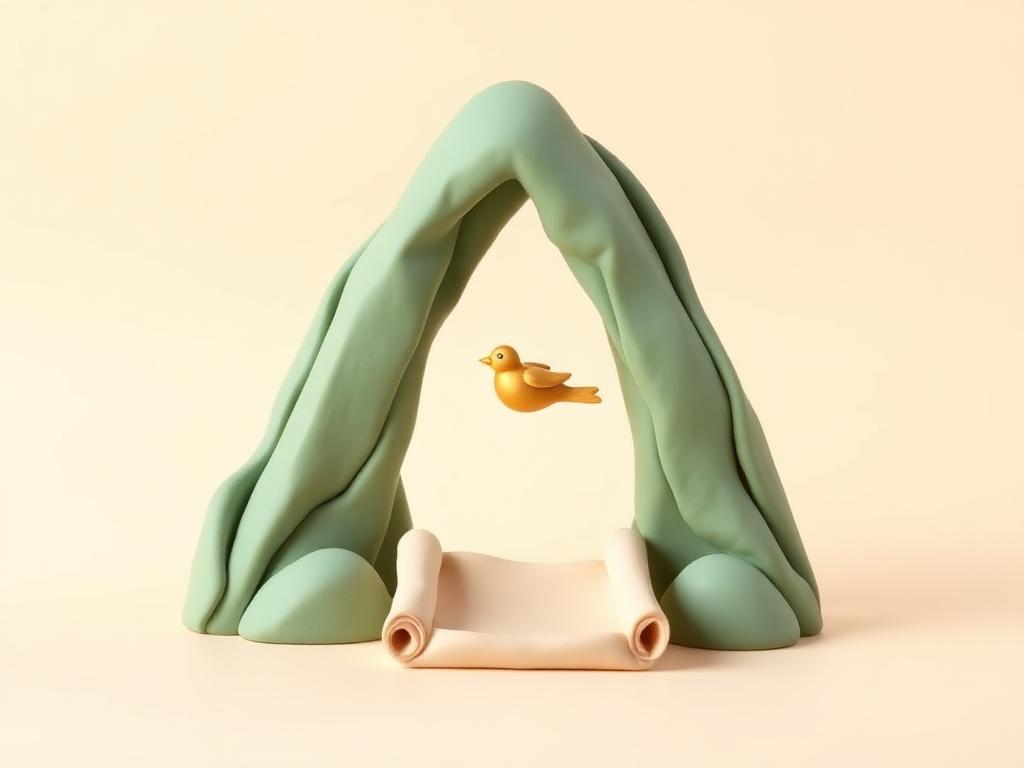
Sage clay mountain arch with a gold clay bird and a cream clay open scroll
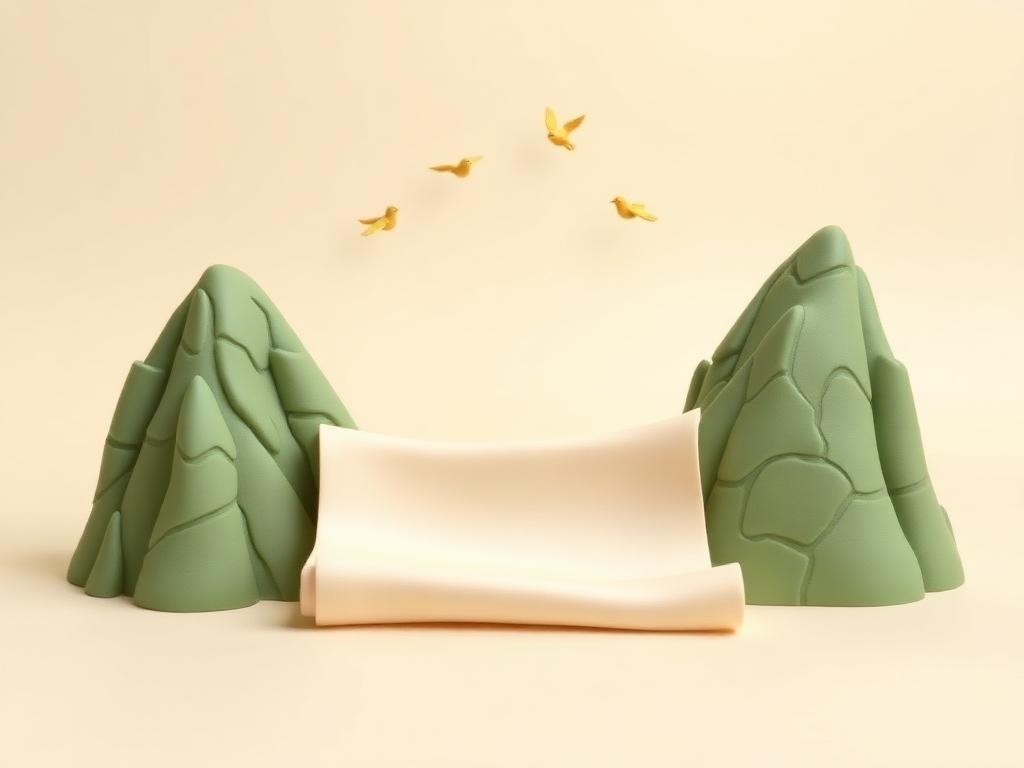
Cream clay scroll unrolled between two sage clay mountains with small gold clay birds above

Lesson 1 · A voice made for praising Allah · ages 5-7

The Zabur and the singing mountains

Allah gave Dawud a book called the Zabur and a beautiful voice. When he praised Allah, the mountains and the birds praised with him.

  1. Allah gave him a book

    The Qur'an says Allah gave Dawud the Zabur — so believing in it is part of believing in Allah's books.

  2. Mountains joined in

    Allah made the mountains and the birds glorify Allah together with Dawud.

  3. Everything praises Allah

    The Qur'an says the seven heavens and the earth and everything in them praise Allah — we just cannot hear it.

  4. Praise is a gift

    Dawud's voice was a favour from Allah, and he used it for Allah, not for showing off.

  5. You can join too

    Saying SubhanAllah puts you in the same choir as the mountains and the birds.

Surah Al-Israa · 17:55

وَرَبُّكَ أَعْلَمُ بِمَن فِى ٱلسَّمَٰوَٰتِ وَٱلْأَرْضِ ۗ وَلَقَدْ فَضَّلْنَا بَعْضَ ٱلنَّبِيِّۦنَ عَلَىٰ بَعْضٍۢ ۖ وَءَاتَيْنَا دَاوُۥدَ زَبُورًۭا

Wa Rabbuka a'lamu biman fis samaawaati wal lard; wa laqad faddalnaa ba'dan Nabiyyeena 'alaa ba'dinw wa aatainaaa Daawooda Zabooraa

“And your Lord is most knowing of whoever is in the heavens and the earth. And We have made some of the prophets exceed others [in various ways], and to David We gave the book [of Psalms].”

Surah Al-Anbiyaa · 21:79

فَفَهَّمْنَٰهَا سُلَيْمَٰنَ ۚ وَكُلًّا ءَاتَيْنَا حُكْمًۭا وَعِلْمًۭا ۚ وَسَخَّرْنَا مَعَ دَاوُۥدَ ٱلْجِبَالَ يُسَبِّحْنَ وَٱلطَّيْرَ ۚ وَكُنَّا فَٰعِلِينَ

Fafahhamnaahaa sulaimaan; wa kullan aatainaa hukmanw wa'ilmanw wa sakh kharnaa ma'a Daawoodal jibaala yusabbihna wattayr; wa kunnaa faa'ileen

“And We gave understanding of the case to Solomon, and to each [of them] We gave judgement and knowledge. And We subjected the mountains to exalt [Us], along with David and [also] the birds. And We were doing [that].”

Surah Saba · 34:10

۞ وَلَقَدْ ءَاتَيْنَا دَاوُۥدَ مِنَّا فَضْلًۭا ۖ يَٰجِبَالُ أَوِّبِى مَعَهُۥ وَٱلطَّيْرَ ۖ وَأَلَنَّا لَهُ ٱلْحَدِيدَ

Wa laqad aatainaa Daawooda minnaa fadlany yaa jibaalu awwibee ma'ahoo wattaira wa alannaa lahul hadeed

“And We certainly gave David from Us bounty. [We said], "O mountains, repeat [Our] praises with him, and the birds [as well]." And We made pliable for him iron,”

Surah Al-Israa · 17:44

تُسَبِّحُ لَهُ ٱلسَّمَٰوَٰتُ ٱلسَّبْعُ وَٱلْأَرْضُ وَمَن فِيهِنَّ ۚ وَإِن مِّن شَىْءٍ إِلَّا يُسَبِّحُ بِحَمْدِهِۦ وَلَٰكِن لَّا تَفْقَهُونَ تَسْبِيحَهُمْ ۗ إِنَّهُۥ كَانَ حَلِيمًا غَفُورًۭا

Tusabbihu lahus samaawaatus sab'u wal ardu wa man feehinn; wa im min shai'in illaa yusabbihu bihamdihee wa laakil laa tafqahoona tasbeehahum; innahoo kaana Haleeman Ghafooraa

“The seven heavens and the earth and whatever is in them exalt Him. And there is not a thing except that it exalts [Allah] by His praise, but you do not understand their [way of] exalting. Indeed, He is ever Forbearing and Forgiving.”

Do this before next time

Go outside, look at one tree or bird, and say SubhanAllah three times with it.

Cream clay balance scale on a sage clay table with two small gold clay tokens

Lesson 2 · Listen to both sides · ages 8-11

The king who judged fairly

Allah made Dawud a ruler and told him to judge between people with truth, never following his own wishes.

  1. Judge with truth

    Allah told Dawud: judge between the people in truth and do not follow your own desire.

  2. Both sides get heard

    In the Qur'an's story of the two who came to Dawud, one says: judge between us and do not go beyond what is right.

  3. Allah gave him wisdom

    The Qur'an says Allah gave Dawud strength in his rule, wisdom, and clear speech.

  4. Fairness is worship

    Being fair when you would rather win is one of the hardest and best acts of obedience.

  5. In your life too

    Sharing a game, splitting food, telling a teacher what really happened — same rule, smaller scale.

Surah Saad · 38:26

يَٰدَاوُۥدُ إِنَّا جَعَلْنَٰكَ خَلِيفَةًۭ فِى ٱلْأَرْضِ فَٱحْكُم بَيْنَ ٱلنَّاسِ بِٱلْحَقِّ وَلَا تَتَّبِعِ ٱلْهَوَىٰ فَيُضِلَّكَ عَن سَبِيلِ ٱللَّهِ ۚ إِنَّ ٱلَّذِينَ يَضِلُّونَ عَن سَبِيلِ ٱللَّهِ لَهُمْ عَذَابٌۭ شَدِيدٌۢ بِمَا نَسُوا۟ يَوْمَ ٱلْحِسَابِ

Yaa Daawoodu innaa ja'alnaaka khaleefatan fil ardi fahkum bainan naasi bilhaqqi wa laa tattabi'il hawaa fayudillaka 'an sabeelil laah; innal lazeena yadilloona 'an sabeelil laah; lahum 'azaabun shadeedum bimaa nasoo Yawmal Hisaab

“[We said], "O David, indeed We have made you a successor upon the earth, so judge between the people in truth and do not follow [your own] desire, as it will lead you astray from the way of Allah." Indeed, those who go astray from the way of Allah will have a severe punishment for having forgotten the Day of Account.”

Surah Saad · 38:22

إِذْ دَخَلُوا۟ عَلَىٰ دَاوُۥدَ فَفَزِعَ مِنْهُمْ ۖ قَالُوا۟ لَا تَخَفْ ۖ خَصْمَانِ بَغَىٰ بَعْضُنَا عَلَىٰ بَعْضٍۢ فَٱحْكُم بَيْنَنَا بِٱلْحَقِّ وَلَا تُشْطِطْ وَٱهْدِنَآ إِلَىٰ سَوَآءِ ٱلصِّرَٰطِ

Iz dakhaloo 'alaa Daawooda fafazi'a minhum qaaloo la takhaf khasmaani baghaa ba'dunaa 'alaa ba'din fahkum bainanaaa bilhaqqi wa laa tushtit wahdinaaa ilaa Sawaaa'is Siraat

“When they entered upon David and he was alarmed by them? They said, "Fear not. [We are] two adversaries, one of whom has wronged the other, so judge between us with truth and do not exceed [it] and guide us to the sound path.”

Surah Saad · 38:20

وَشَدَدْنَا مُلْكَهُۥ وَءَاتَيْنَٰهُ ٱلْحِكْمَةَ وَفَصْلَ ٱلْخِطَابِ

Wa shadadnaa mulkahoo wa aatainaahul Hikmata wa faslal khitaab

“And We strengthened his kingdom and gave him wisdom and discernment in speech.”

Do this before next time

Next time you disagree with a sibling or friend, say out loud 'tell me your side first' before you speak.

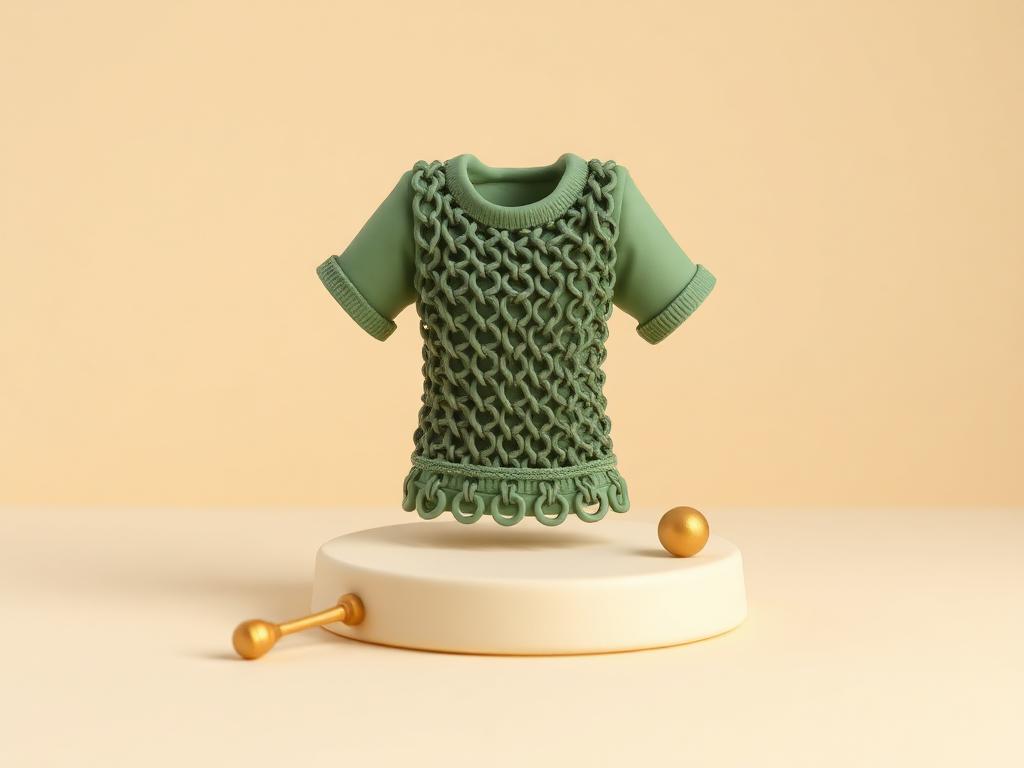
Sage clay chainmail shirt on a cream clay stand with a small gold clay hammer beside it

Lesson 3 · A prophet who made armour · ages 8-11

Working with your hands

Allah taught Dawud how to make armour to protect people. A prophet worked with his hands, and that is honourable.

  1. Allah taught him the craft

    The Qur'an says Allah taught Dawud the making of coats of armour to protect you in battle.

  2. Iron was made soft for him

    Allah says He softened iron for Dawud and told him to make well-measured links.

  3. Skills are a favour

    Learning a real skill — sewing, cooking, fixing, building — is a gift from Allah to be thankful for.

  4. It protected others

    His work was useful: armour kept people safe. Useful work is a way of serving people.

  5. Be thankful, not proud

    Right after mentioning the craft, Allah asks: then will you be grateful?

Surah Al-Anbiyaa · 21:80

وَعَلَّمْنَٰهُ صَنْعَةَ لَبُوسٍۢ لَّكُمْ لِتُحْصِنَكُم مِّنۢ بَأْسِكُمْ ۖ فَهَلْ أَنتُمْ شَٰكِرُونَ

Wa 'allamanaahu san'ata laboosil lakum lituhsinakum mim baasikum fahal antum shaakiroon

“And We taught him the fashioning of coats of armor to protect you from your [enemy in] battle. So will you then be grateful?”

Surah Saba · 34:10

۞ وَلَقَدْ ءَاتَيْنَا دَاوُۥدَ مِنَّا فَضْلًۭا ۖ يَٰجِبَالُ أَوِّبِى مَعَهُۥ وَٱلطَّيْرَ ۖ وَأَلَنَّا لَهُ ٱلْحَدِيدَ

Wa laqad aatainaa Daawooda minnaa fadlany yaa jibaalu awwibee ma'ahoo wattaira wa alannaa lahul hadeed

“And We certainly gave David from Us bounty. [We said], "O mountains, repeat [Our] praises with him, and the birds [as well]." And We made pliable for him iron,”

Surah Saba · 34:11

أَنِ ٱعْمَلْ سَٰبِغَٰتٍۢ وَقَدِّرْ فِى ٱلسَّرْدِ ۖ وَٱعْمَلُوا۟ صَٰلِحًا ۖ إِنِّى بِمَا تَعْمَلُونَ بَصِيرٌۭ

Ani'mal saabighaatinw wa qaddir fis sardi wa'maloo saalihan innee bimaa ta'maloona Baseer

“[Commanding him], "Make full coats of mail and calculate [precisely] the links, and work [all of you] righteousness. Indeed I, of what you do, am Seeing."”

Do this before next time

Learn or practise one useful skill this week and show someone what you made or fixed.

Cream clay calendar tile with alternating sage and gold clay dots in a row

Lesson 4 · Small and steady beats huge and short · ages 12-15

The fast of Dawud

Dawud fasted one day and ate the next, and prayed part of the night. The Prophet ﷺ called this the best pattern of worship.

  1. The best fasting

    The Prophet ﷺ said the most beloved fasting to Allah was the fasting of Dawud: he used to fast one day and eat the next.

  2. The best praying

    In the same narration, the most beloved prayer to Allah was the prayer of Dawud: he slept half the night, prayed a third, and slept a sixth.

  3. Steady, not extreme

    He kept it up for life instead of burning out — the Prophet ﷺ also taught that the deeds Allah loves most are the ones done consistently.

  4. He turned back to Allah

    The Qur'an describes Dawud as awwab — one who constantly turns back to Allah.

  5. Start where you can

    For a child that might be one extra sunnah prayer or one Monday fast, kept up every week.

Surah Saad · 38:17

ٱصْبِرْ عَلَىٰ مَا يَقُولُونَ وَٱذْكُرْ عَبْدَنَا دَاوُۥدَ ذَا ٱلْأَيْدِ ۖ إِنَّهُۥٓ أَوَّابٌ

Isbir 'alaa maa yaqooloona wazkur 'abdanaa Daawooda zal aidi aidi innahooo awwaab

“Be patient over what they say and remember Our servant, David, the possessor of strength; indeed, he was one who repeatedly turned back [to Allah].”

“The most beloved fasting to Allah was the fasting of David who used to fast alternate days. And the most beloved prayer to Allah was the prayer of David who used to sleep for (the first) half of the night and pray for its third (part) and again sleep for its sixth part.”

Sahih al-Bukhari 1131

“The Prophet (ﷺ) was asked, 'What deeds are loved most by Allah?' He said, 'The most regular constant deeds even though they may be few.'”

Sahih al-Bukhari 6464

Do this before next time

Pick one tiny act of worship you can keep every single week for a month, and write it on your calendar.

Gold clay ring resting on a cream clay cushion in front of a sage clay arch

Lesson 5 · A king who asked to be grateful · ages 8-11

Sulayman's dua

Sulayman was given a kingdom no one else had. His dua was not for more — it was to be thankful and to do good.

  1. He inherited knowledge

    The Qur'an says Sulayman inherited from Dawud, and he said: we have been taught the language of birds and given from everything.

  2. His dua

    He asked Allah to enable him to be grateful for the favour given to him and to his parents, and to do righteousness that pleases Allah.

  3. He knew where it came from

    When he saw the throne of Saba brought to him, he said: this is from the favour of my Lord, to test whether I am grateful.

  4. Gratitude is for you

    He added: whoever is grateful is grateful for his own good — thanking Allah does not benefit Allah, it changes us.

  5. Power with adab

    The greatest kingdom in the Qur'an belonged to a man whose main worry was staying thankful.

Surah An-Naml · 27:15

وَلَقَدْ ءَاتَيْنَا دَاوُۥدَ وَسُلَيْمَٰنَ عِلْمًۭا ۖ وَقَالَا ٱلْحَمْدُ لِلَّهِ ٱلَّذِى فَضَّلَنَا عَلَىٰ كَثِيرٍۢ مِّنْ عِبَادِهِ ٱلْمُؤْمِنِينَ

Wa laqad aatainaa Daawooda wa sulaimaana 'ilmaa; wa qaalal hamdu lil laahil lazee faddalanaa 'alaa kaseerim min 'ibaadihil mu'mineen

“And We had certainly given to David and Solomon knowledge, and they said, "Praise [is due] to Allah, who has favored us over many of His believing servants."”

Surah An-Naml · 27:16

وَوَرِثَ سُلَيْمَٰنُ دَاوُۥدَ ۖ وَقَالَ يَٰٓأَيُّهَا ٱلنَّاسُ عُلِّمْنَا مَنطِقَ ٱلطَّيْرِ وَأُوتِينَا مِن كُلِّ شَىْءٍ ۖ إِنَّ هَٰذَا لَهُوَ ٱلْفَضْلُ ٱلْمُبِينُ

Wa warisa Sulaimaanu Daawooda wa qaala yaaa aiyuhan naasu 'ullimnaa mantiqat tairi wa ooteenaa min kulli shai'in inna haazaa lahuwal fadlul mubeen

“And Solomon inherited David. He said, "O people, we have been taught the language of birds, and we have been given from all things. Indeed, this is evident bounty."”

Surah An-Naml · 27:19

فَتَبَسَّمَ ضَاحِكًۭا مِّن قَوْلِهَا وَقَالَ رَبِّ أَوْزِعْنِىٓ أَنْ أَشْكُرَ نِعْمَتَكَ ٱلَّتِىٓ أَنْعَمْتَ عَلَىَّ وَعَلَىٰ وَٰلِدَىَّ وَأَنْ أَعْمَلَ صَٰلِحًۭا تَرْضَىٰهُ وَأَدْخِلْنِى بِرَحْمَتِكَ فِى عِبَادِكَ ٱلصَّٰلِحِينَ

Fatabassama daahikam min qawlihaa wa qaala Rabbi awzi'nee an ashkura ni'mata kal lateee an'amta 'alaiya wa 'alaa waalidaiya wa an a'mala saalihan tardaahu wa adkhilnee birahmatika fee 'ibaadikas saaliheen

“So [Solomon] smiled, amused at her speech, and said, "My Lord, enable me to be grateful for Your favor which You have bestowed upon me and upon my parents and to do righteousness of which You approve. And admit me by Your mercy into [the ranks of] Your righteous servants."”

Surah An-Naml · 27:40

قَالَ ٱلَّذِى عِندَهُۥ عِلْمٌۭ مِّنَ ٱلْكِتَٰبِ أَنَا۠ ءَاتِيكَ بِهِۦ قَبْلَ أَن يَرْتَدَّ إِلَيْكَ طَرْفُكَ ۚ فَلَمَّا رَءَاهُ مُسْتَقِرًّا عِندَهُۥ قَالَ هَٰذَا مِن فَضْلِ رَبِّى لِيَبْلُوَنِىٓ ءَأَشْكُرُ أَمْ أَكْفُرُ ۖ وَمَن شَكَرَ فَإِنَّمَا يَشْكُرُ لِنَفْسِهِۦ ۖ وَمَن كَفَرَ فَإِنَّ رَبِّى غَنِىٌّۭ كَرِيمٌۭ

Qaalal lazee indahoo 'ilmum minal Kitaabi ana aateeka bihee qabla ai yartadda ilaika tarfuk; falammaa ra aahu mustaqirran 'indahoo qaala haazaa min fadli Rabbee li yabluwaneee 'a-ashkuru am akfuru wa man shakara fa innamaa yashkuru linafsihee wa man kafara fa inna Rabbee Ghaniyyun Kareem

“Said one who had knowledge from the Scripture, "I will bring it to you before your glance returns to you." And when [Solomon] saw it placed before him, he said, "This is from the favor of my Lord to test me whether I will be grateful or ungrateful. And whoever is grateful - his gratitude is only for [the benefit of] himself. And whoever is ungrateful - then indeed, my Lord is Free of need and Generous."”

Do this before next time

Write down three favours from Allah you never usually notice, then say Alhamdulillah for each by name.

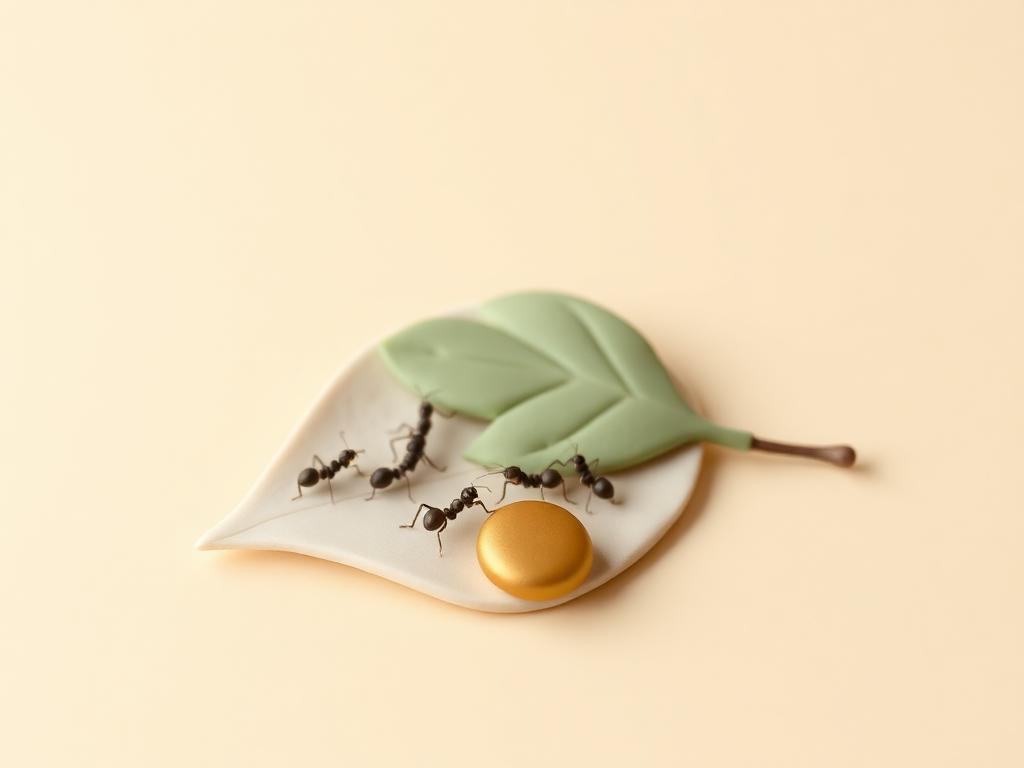
Tiny sage clay ants walking along a cream clay leaf with a gold clay pebble

Lesson 6 · Even an ant matters · ages 5-7

The valley of the ants

Sulayman's army came to a valley of ants. One ant warned the others, Sulayman heard her, and he smiled.

  1. An ant spoke

    The Qur'an says an ant said: O ants, enter your homes so Sulayman and his soldiers do not crush you without realising.

  2. He heard and smiled

    Allah says Sulayman smiled at her speech — then immediately made dua to be grateful.

  3. Nobody was harmed

    A king with an army stopped to care about the smallest creatures in the valley.

  4. Animals have their own lives

    The Qur'an shows creatures speaking to each other; Allah knows and hears all of them.

  5. Be careful where you step

    Kindness to tiny creatures is part of being Muslim, not a small extra.

Surah An-Naml · 27:18

حَتَّىٰٓ إِذَآ أَتَوْا۟ عَلَىٰ وَادِ ٱلنَّمْلِ قَالَتْ نَمْلَةٌۭ يَٰٓأَيُّهَا ٱلنَّمْلُ ٱدْخُلُوا۟ مَسَٰكِنَكُمْ لَا يَحْطِمَنَّكُمْ سُلَيْمَٰنُ وَجُنُودُهُۥ وَهُمْ لَا يَشْعُرُونَ

hattaaa izaaa ataw 'alaa waadin namli qaalat namlatuny yaaa aiyuhan namlud khuloo masaakinakum laa yahtimannakum Sulaimaanu wa junooduhoo wa hum laa yash'uroon

“Until, when they came upon the valley of the ants, an ant said, "O ants, enter your dwellings that you not be crushed by Solomon and his soldiers while they perceive not."”

Surah An-Naml · 27:19

فَتَبَسَّمَ ضَاحِكًۭا مِّن قَوْلِهَا وَقَالَ رَبِّ أَوْزِعْنِىٓ أَنْ أَشْكُرَ نِعْمَتَكَ ٱلَّتِىٓ أَنْعَمْتَ عَلَىَّ وَعَلَىٰ وَٰلِدَىَّ وَأَنْ أَعْمَلَ صَٰلِحًۭا تَرْضَىٰهُ وَأَدْخِلْنِى بِرَحْمَتِكَ فِى عِبَادِكَ ٱلصَّٰلِحِينَ

Fatabassama daahikam min qawlihaa wa qaala Rabbi awzi'nee an ashkura ni'mata kal lateee an'amta 'alaiya wa 'alaa waalidaiya wa an a'mala saalihan tardaahu wa adkhilnee birahmatika fee 'ibaadikas saaliheen

“So [Solomon] smiled, amused at her speech, and said, "My Lord, enable me to be grateful for Your favor which You have bestowed upon me and upon my parents and to do righteousness of which You approve. And admit me by Your mercy into [the ranks of] Your righteous servants."”

Do this before next time

Look before you step or sit outside today, and move one small creature to safety instead of harming it.

Cream clay folded letter with a gold clay wax seal beside a small sage clay bird figure

Lesson 7 · A letter that began with Bismillah · ages 12-15

The hoopoe and the queen

A bird brought news of a people worshipping the sun. Sulayman wrote to their queen inviting her to worship Allah alone — and she chose to believe.

  1. The bird's report

    The hoopoe said it came from Saba with certain news: it found a woman ruling them, and found her people prostrating to the sun instead of Allah.

  2. The letter

    Sulayman's letter began: In the name of Allah, the Entirely Merciful, the Especially Merciful — then invited them not to be arrogant and to come as Muslims.

  3. She took advice

    The queen gathered her chiefs and consulted them before deciding — the Qur'an shows her thinking, not rushing.

  4. The point was never the throne

    When she saw the palace and the throne she said: my Lord, I have wronged myself, and I submit with Sulayman to the Lord of the worlds.

  5. Invite, don't force

    Sulayman used a letter, evidence and kindness. Da'wah in the Qur'an is invitation, not pressure.

Surah An-Naml · 27:22

فَمَكَثَ غَيْرَ بَعِيدٍۢ فَقَالَ أَحَطتُ بِمَا لَمْ تُحِطْ بِهِۦ وَجِئْتُكَ مِن سَبَإٍۭ بِنَبَإٍۢ يَقِينٍ

Famakasa ghaira ba'eedin faqaala ahattu bimaa lam tuhit bihee wa ji'tuka min Sabaim binaba iny-yaqeen

“But the hoopoe stayed not long and said, "I have encompassed [in knowledge] that which you have not encompassed, and I have come to you from Sheba with certain news.”

Surah An-Naml · 27:23

إِنِّى وَجَدتُّ ٱمْرَأَةًۭ تَمْلِكُهُمْ وَأُوتِيَتْ مِن كُلِّ شَىْءٍۢ وَلَهَا عَرْشٌ عَظِيمٌۭ

Innee wajattum ra atan tamlikuhum wa ootiyat min kulli shai'inw wa lahaa 'arshun 'azeem

“Indeed, I found [there] a woman ruling them, and she has been given of all things, and she has a great throne.”

Surah An-Naml · 27:24

وَجَدتُّهَا وَقَوْمَهَا يَسْجُدُونَ لِلشَّمْسِ مِن دُونِ ٱللَّهِ وَزَيَّنَ لَهُمُ ٱلشَّيْطَٰنُ أَعْمَٰلَهُمْ فَصَدَّهُمْ عَنِ ٱلسَّبِيلِ فَهُمْ لَا يَهْتَدُونَ

Wajattuhaa wa qawmahaa yasjudoona lishshamsi min doonil laahi wa zaiyana lahumush Shaitaanu a'maalahum fasaddahum 'anis sabeeli fahum laa yahtadoon

“I found her and her people prostrating to the sun instead of Allah, and Satan has made their deeds pleasing to them and averted them from [His] way, so they are not guided,”

Surah An-Naml · 27:30

إِنَّهُۥ مِن سُلَيْمَٰنَ وَإِنَّهُۥ بِسْمِ ٱللَّهِ ٱلرَّحْمَٰنِ ٱلرَّحِيمِ

Innahoo min Sulaimaana wa innahoo bismil laahir Rahmaanir Raheem

“Indeed, it is from Solomon, and indeed, it reads: 'In the name of Allah, the Entirely Merciful, the Especially Merciful,”

Surah An-Naml · 27:31

أَلَّا تَعْلُوا۟ عَلَىَّ وَأْتُونِى مُسْلِمِينَ

Allaa ta'loo 'alaiya waa toonee muslimeen

“Be not haughty with me but come to me in submission [as Muslims].' "”

Surah An-Naml · 27:32

قَالَتْ يَٰٓأَيُّهَا ٱلْمَلَؤُا۟ أَفْتُونِى فِىٓ أَمْرِى مَا كُنتُ قَاطِعَةً أَمْرًا حَتَّىٰ تَشْهَدُونِ

Qaalat yaaa aiyuhal mala'u aftoonee fee amree maa kuntu qaati'atan amran hattaa tashhhaddon

“She said, "O eminent ones, advise me in my affair. I would not decide a matter until you witness [for] me."”

Surah An-Naml · 27:44

قِيلَ لَهَا ٱدْخُلِى ٱلصَّرْحَ ۖ فَلَمَّا رَأَتْهُ حَسِبَتْهُ لُجَّةًۭ وَكَشَفَتْ عَن سَاقَيْهَا ۚ قَالَ إِنَّهُۥ صَرْحٌۭ مُّمَرَّدٌۭ مِّن قَوَارِيرَ ۗ قَالَتْ رَبِّ إِنِّى ظَلَمْتُ نَفْسِى وَأَسْلَمْتُ مَعَ سُلَيْمَٰنَ لِلَّهِ رَبِّ ٱلْعَٰلَمِينَ

Qeela lahad khulis sarha falammaa ra at hu hasibat hu lujjatanw wa khashafat 'an saaqaihaa; qaala innahoo sarhum mumarradum min qawaareer; qaalat Rabbi innee zalamtu nafsee wa aslamtu ma'a Sulaimaana lillaahi Rabbil 'aalameen

“She was told, "Enter the palace." But when she saw it, she thought it was a body of water and uncovered her shins [to wade through]. He said, "Indeed, it is a palace [whose floor is] made smooth with glass." She said, "My Lord, indeed I have wronged myself, and I submit with Solomon to Allah, Lord of the worlds."”

Do this before next time

Start your next piece of writing — homework, a message, a letter — with Bismillah, and mean it.

Every ayah on this page comes from the Tanzil Uthmani text of the Qur'an with the Sahih International translation, and every hadith carries its collection and number so you can check it yourself. Back to the learning path

Next on this shelf: The story of Ibrahim — 6 lessons.

1-to-1 lessons

Go deeper into dawud and sulayman

A teacher can answer your child's questions properly, check their understanding, and take this further at their own pace.

Book a tutor for this