Taqwa is the habit of remembering that Allah sees, and letting that change what you do — especially when no adult is in the room. The Prophet ﷺ summarised it for Abu Dharr in one sentence: have taqwa of Allah wherever you are, follow a bad deed with a good one, and treat people well. He pointed to his chest and said piety is here. He warned about grazing at the edge of a fence, and he named the youth raised in the worship of Allah among the seven Allah shades on the Day of Judgement. Each lesson shows the ayah from the verified Qur'an text and a hadith you can resolve on sunnah.com.
Lesson 1 · The whole advice · ages 5-7
Taqwa wherever you are
Three instructions in one hadith: have taqwa of Allah anywhere, wipe out a bad deed with a good one, and treat people well.
1The hadith
Abu Dharr reported the Messenger of Allah ﷺ said to him: 'Have taqwa of Allah wherever you are, and follow an evil deed with a good one to wipe it out, and treat the people with good behaviour.'
2Wherever you are
In the masjid and in the playground, at grandma's house and on a screen alone in your room — the same Allah is watching.
3A quick repair
Made a mistake? Do a good deed straight away: istighfar, two rakah, an apology, help someone.
4People count too
Taqwa that leaves you rude to your family is not taqwa; the hadith joins worship and manners in one breath.
5Say it back
Learn the three parts on your fingers so you can repeat the advice by heart.
Fa izaa balaghna ajalahunna fa amsikoohunna bima'roofin aw faariqoohunna bima'roofinw wa ashhidoo zawai 'adlim minkum wa aqeemush shahaadata lillaah; zaalikum yoo'azu bihee man kaana yu'minu billaahi wal yawmil aakhir; wa many yattaqil laaha yaj'al lahoo makhrajaa
“And when they have [nearly] fulfilled their term, either retain them according to acceptable terms or part with them according to acceptable terms. And bring to witness two just men from among you and establish the testimony for [the acceptance of] Allah. That is instructed to whoever should believe in Allah and the Last day. And whoever fears Allah - He will make for him a way out”
Wa yarzuqhu min haisu laa yahtasib; wa many yatawakkal 'alal laahi fahuwa husbuh; innal laaha baalighu amrih; qad ja'alal laahu likulli shai'in qadraa
“And will provide for him from where he does not expect. And whoever relies upon Allah - then He is sufficient for him. Indeed, Allah will accomplish His purpose. Allah has already set for everything a [decreed] extent.”
“Have Taqwa of Allah wherever you are, and follow an evil deed with a good one to wipe it out, and treat the people with good behaviour.”
Jami' at-Tirmidhi 1987
Do this before next time
Notice one moment today when nobody is watching, and choose the honest option on purpose.
Lesson 2 · Not the outside · ages 8-11
Piety is here
The Prophet ﷺ pointed to his chest three times and said taqwa is here — so we never judge people by their looks.
1The hadith
Abu Hurayra reported the Prophet ﷺ said a Muslim is the brother of a Muslim: he does not oppress him, humiliate him or look down on him — 'piety is here', pointing to his chest three times.
2Not a costume
Clothes, an Arabic accent or a memorised surah are good things, but they are not proof of what is in the heart.
3Never look down
The same hadith forbids despising another Muslim; feeling superior is the fastest way to lose taqwa.
4Work on the inside
Ask: am I honest, am I grateful, do I forgive? Those answers live where Allah looks.
5Protect three things
He ﷺ said a Muslim's blood, wealth and honour are inviolable — so gossip is not a small sin.
Yaaa ayyuhan naasu innaa khalaqnaakum min zakarinw wa unsaa wa ja'alnaakum shu'oobanw wa qabaaa'ila lita'aarafoo inna akramakum 'indal laahi atqaakum innal laaha 'Aleemun khabeer
“O mankind, indeed We have created you from male and female and made you peoples and tribes that you may know one another. Indeed, the most noble of you in the sight of Allah is the most righteous of you. Indeed, Allah is Knowing and Acquainted.”
Zaalika wa mai yu'azzim sha'aaa'iral laahi fa innahaa min taqwal quloob
“That [is so]. And whoever honors the symbols of Allah - indeed, it is from the piety of hearts.”
“A Muslim is the brother of a Muslim. He neither oppresses him nor humiliates him nor looks down upon him. The piety is here — (and while saying so) he pointed towards his chest thrice.”
Sahih Muslim 2564a
Do this before next time
Catch yourself once today judging someone by how they look, and make dua for them instead.
Lesson 3 · Doubtful things · ages 12-15
Stay away from the edge
Halal and haram are clear, and between them are doubtful things — whoever avoids them protects their deen.
1The hadith
An-Nu'man ibn Bashir reported the Prophet ﷺ said the lawful and unlawful are obvious and between them are doubtful matters; whoever avoids them will surely avoid the clearly unlawful, and whoever grazes near a private pasture is likely to end up inside it.
2The picture
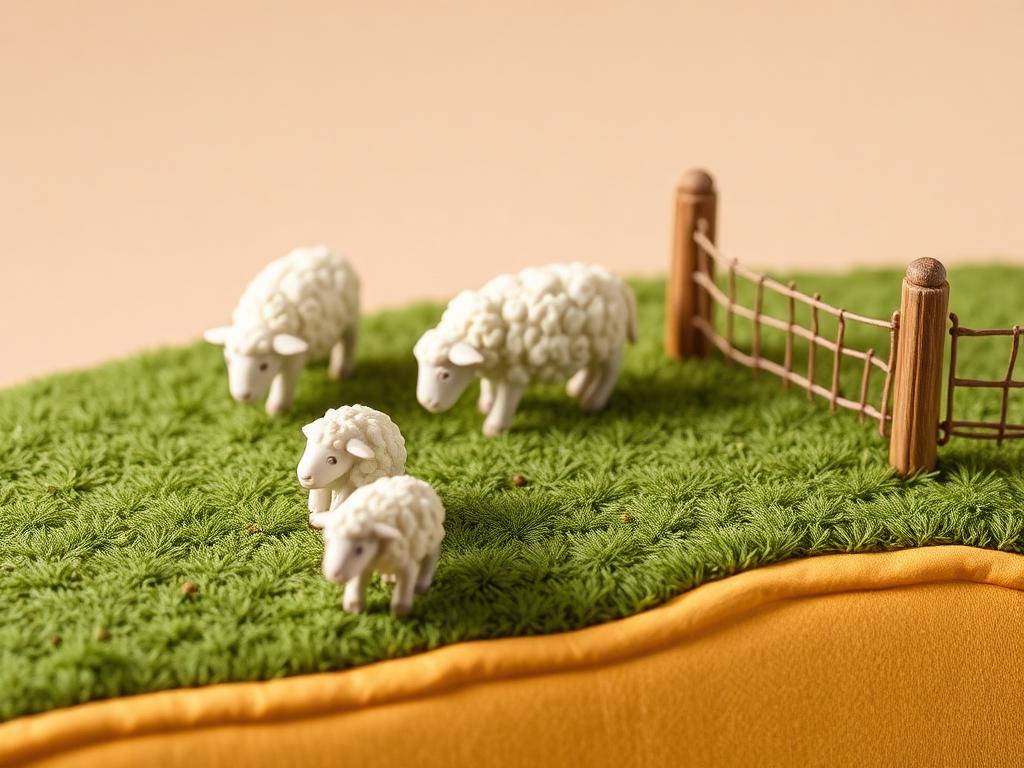
A shepherd who lets sheep nibble right against the fence will lose them over it eventually. Distance is the protection.
3Real examples
Ingredients you are unsure about, money that came from nowhere, a group chat that is 'nearly' fine — step back rather than argue.
4Ask a scholar
Doubtful does not mean guess. Ask someone qualified; that is why our tutors carry Ijazah and Tajweed certification.
5Your heart knows
That uneasy feeling before you do something is usually information, not weakness.
Qul laa yastawil khabeesu wattaiyibu wa law a'jabaka kasratul khabees; fattaqul laaha yaaa ulil albaabi la'allakum tuflihoon
“Say, "Not equal are the evil and the good, although the abundance of evil might impress you." So fear Allah, O you of understanding, that you may be successful.”
“Both legal and illegal things are obvious, and in between them are doubtful matters. So whoever forsakes those doubtful things lest he may commit a sin, will definitely avoid what is clearly illegal; and whoever indulges in these doubtful things bravely, is likely to commit what is clearly illegal.”
Sahih al-Bukhari 2051
Do this before next time
Name one 'nearly fine' habit you will step away from this week, and tell a parent so they can help.
Lesson 4 · Seven in the shade · ages 8-11
A young heart in worship
Among the seven Allah will shade on the Day of Judgement is a young person who grew up worshipping Allah.
1The hadith
Abu Hurayra reported the Prophet ﷺ named seven whom Allah will shade on a Day with no shade but His, including a youth who grew up in the worship of Allah.
2Growing up in it
Salah started at seven, kept at twelve, still kept at twenty — that is the description, and it starts now.
3Others on the list
A just leader, someone whose heart is attached to the masjid, two who love each other for Allah, someone who gives charity so secretly their left hand does not know, someone who refuses sin out of fear of Allah, and someone whose eyes fill with tears remembering Allah alone.
4Secret good deeds
Two of the seven are described as hidden — the list rewards what nobody posted.
5Pick your place
Choose which of the seven you want to be, and build the habit while you are young.
Almaalu walbanoona zeenatul hayaatid dunya wal baaqiyaatus saalihaatu khairun 'inda Rabbika sawaabanw wa khairun amalaa
“Wealth and children are [but] adornment of the worldly life. But the enduring good deeds are better to your Lord for reward and better for [one's] hope.”
“But there came after them successors who neglected prayer and pursued desires; so they are going to meet evil -”
“Allah will give shade to seven, on the Day when there will be no shade but His: a just ruler; a youth who grew up in the worship of Allah; a man whose heart is attached to the mosques; two persons who love each other only for Allah's sake; a man who refuses sin saying 'I am afraid of Allah'; a man who gives charity so secretly that his left hand does not know what his right hand has given; and a person who remembers Allah in seclusion and his eyes get flooded with tears.”
Sahih al-Bukhari 660
Do this before next time
Choose one worship habit to keep every day for the next month and mark it on your prayer tracker.
Lesson 5 · The beloved servant · ages 12-15
Closer through small deeds
Allah says the closest way to Him is what He made obligatory, and then the extra deeds a servant keeps doing until He loves them.
1The hadith
Abu Hurayra reported Allah says: the most beloved thing with which My servant draws near to Me is what I have made obligatory upon him; and My servant keeps drawing nearer through voluntary deeds until I love him — and if he asks Me, I give him.
2Fard first
Extra dhikr does not replace a missed Fajr. Fix the five prayers, then build extras on top.
3Then the nawafil
Small extra acts of worship, repeated often, are what this hadith calls the path to being loved by Allah.
4Love, then answered dua
The hadith ends with Allah answering that servant's dua and protecting them: taqwa and closeness are not cold rules.
5Consistency beats intensity
A small daily amount you can keep is worth more than one dramatic night you never repeat.
Wa izaa sa alaka 'ibaadee 'annnee fa innee qareebun ujeebu da'wataddaa'i izaa da'aani falyastajeeboo lee walyu minoo beela 'allahum yarshudoon
“And when My servants ask you, [O Muhammad], concerning Me - indeed I am near. I respond to the invocation of the supplicant when he calls upon Me. So let them respond to Me [by obedience] and believe in Me that they may be [rightly] guided.”
Wa laqad khalaqnal insaana wa na'lamu maa tuwaswisu bihee nafsuhoo wa Nahnu aqrabu ilaihi min hablil wareed
“And We have already created man and know what his soul whispers to him, and We are closer to him than [his] jugular vein”
“The most beloved things with which My slave comes nearer to Me is what I have enjoined upon him; and My slave keeps on coming closer to Me through performing Nawafil until I love him… and if he asks Me, I will give him, and if he asks My protection, I will protect him.”
Sahih al-Bukhari 6502
Do this before next time
Add one small voluntary act after a prayer you already pray, and keep it for seven days.
Every ayah on this page comes from the Tanzil Uthmani text of the Qur'an with the Sahih International translation, and every hadith carries its collection and number so you can check it yourself. Back to the learning path