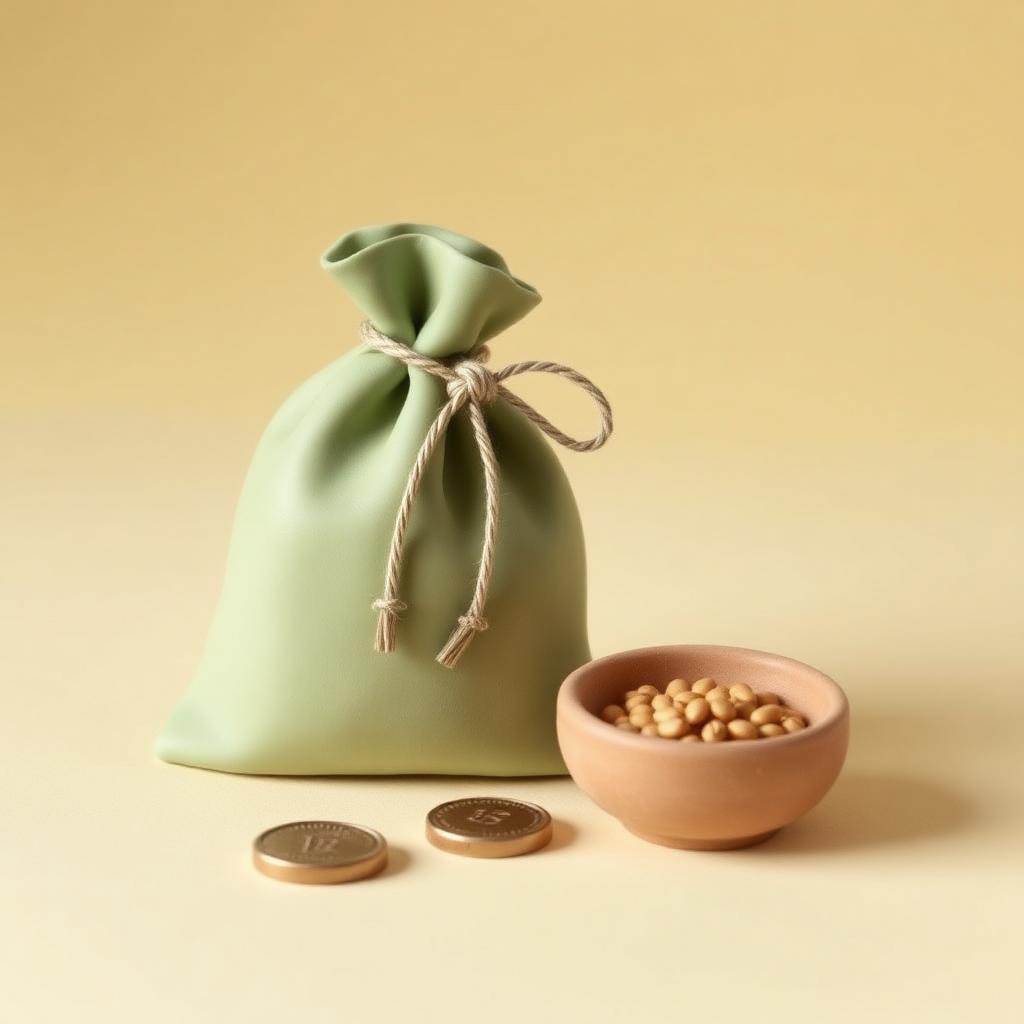
Islam has a whole attitude to money, and a child can learn it long before they earn any. Zakat is a duty, not a favour: a fixed share of wealth that belongs to the poor. Sadaqah is the extra good a Muslim gives all day long, and it costs nothing to smile or move a stone off the path. These five lessons teach the duty, the habit, and the honesty that has to sit under both.
Lesson 1 · The third pillar · ages 8-11
What zakat is
Zakat is not charity you choose to give. It is a share of your savings that already belongs to the poor, and Allah commanded it.
1It is commanded
Allah tells the Prophet ﷺ to take from their wealth a charity by which they are purified — which is why it is called zakat, meaning purification and growth.
2From the rich to the poor
When the Prophet ﷺ sent Mu'adh to Yemen he told him to teach them that Allah made zakat obligatory on them, taken from the rich among them and given to the poor.
3A small share, once a year
Zakat is due on savings a person has held for a lunar year above a minimum amount (nisab); on gold, silver and money the share is a fortieth — 2.5%.
4Not a tax on everything
There is no zakat on the house you live in, your clothes, your bike or your books — it is on wealth kept and grown.
5Children and zakat
Zakat is calculated on wealth, so a guardian pays it out of a child's savings if they reach the nisab. Ask a parent to work it out with you.
Khuz min amwaalihim sadaqtan tutahhiruhum wa tuzakkeehim bihaa wa salli 'alaihim inna salaataka sakanul lahum; wallaahu Samee'un 'Aleem
“Take, [O, Muhammad], from their wealth a charity by which you purify them and cause them increase, and invoke [Allah 's blessings] upon them. Indeed, your invocations are reassurance for them. And Allah is Hearing and Knowing.”
Wa aqeemus salaata wa aatuz zakaah; wa maa tuqaddimoo li anfusikum min khairin tajidoohu 'indal laah; innal laaha bimaa ta'maloona baseer
“And establish prayer and give zakah, and whatever good you put forward for yourselves - you will find it with Allah. Indeed, Allah of what you do, is Seeing.”
“Then teach them that Allah has made it obligatory for them to pay the Zakat from their property and it is to be taken from the wealthy among them and given to the poor.”
Sahih al-Bukhari 1395
Do this before next time
Count your own savings, then ask a parent to show you how 2.5% of it would be worked out.
Lesson 2 · Charity without money · ages 5-7
Sadaqah every single day
Sadaqah is any good you give away, and most of it is free. The Prophet ﷺ listed smiling, giving directions and moving a stone as charity.
1The list
The Prophet ﷺ said: your smiling in the face of your brother is charity, guiding a lost man is charity, helping someone who cannot see is charity, and removing a rock or thorn from the road is charity.
2Every good thing counts
He ﷺ also said that enjoining all that is good is a sadaqah.
3So a child can give all day
Sharing your snack, holding a door, carrying shopping, letting your sister go first.
4Giving never makes you poorer
The Prophet ﷺ said charity does not decrease wealth — Allah replaces what is given for His sake.
5Do it quietly
Sadaqah nobody sees is safest for the heart, because then it is only for Allah.
“Your smiling in the face of your brother is charity, commanding good and forbidding evil is charity, your giving directions to a man lost in the land is charity for you... your removal of a rock, a thorn or a bone from the road is charity for you.”
Jami' at-Tirmidhi 1956
“Enjoining all that is good is a Sadaqa.”
Sahih al-Bukhari 6021
“Charity does not decrease wealth.”
Sahih Muslim 2588
Do this before next time
Do three free sadaqahs today from the Prophet's ﷺ list and tell nobody about them.
Lesson 3 · Better to give · ages 8-11
The upper hand
The Prophet ﷺ said the upper hand is the one that gives and the lower hand is the one that asks. A Muslim tries to be the one who gives.
1The hadith
The Prophet ﷺ said: the upper hand is that of the giver, and the lower hand is that of the one who asks.
2Work, do not beg
Islam honours earning your own living, even from a small and humble job, over asking people for money.
3Never shame someone who receives
If someone has to receive, we hand it to them with respect — Allah warns against following charity with hurtful words.
4Start with your own family
Spending on your parents, siblings and relatives is charity too, and it comes first.
5The multiplied reward
Allah compares giving for His sake to one grain that grows into seven ears, each with a hundred grains.
“The example of those who spend their wealth in the way of Allah is like a seed [of grain] which grows seven spikes; in each spike is a hundred grains. And Allah multiplies [His reward] for whom He wills. And Allah is all-Encompassing and Knowing.”
Wa laa taqraboo maalal yateemi illaa billatee hiyaa ahsanu hattaa yablugha ashuddahoo wa awful kaila walmeezaana bilqisti laa nukallifu nafsan illaa wus'ahaa wa izaa qultum fa'diloo wa law kaana zaa qurbaa wa bi 'ahdil laahi awfoo; zaalikum wassaakum bihee la'allakum tazakkarron
“And do not approach the orphan's property except in a way that is best until he reaches maturity. And give full measure and weight in justice. We do not charge any soul except [with that within] its capacity. And when you testify, be just, even if [it concerns] a near relative. And the covenant of Allah fulfill. This has He instructed you that you may remember.”
Wa awful kaila izaa kiltum wa zinoo bilqistaasil mustaqeem; zaalika khairunw wa ahsanu taaweelaa
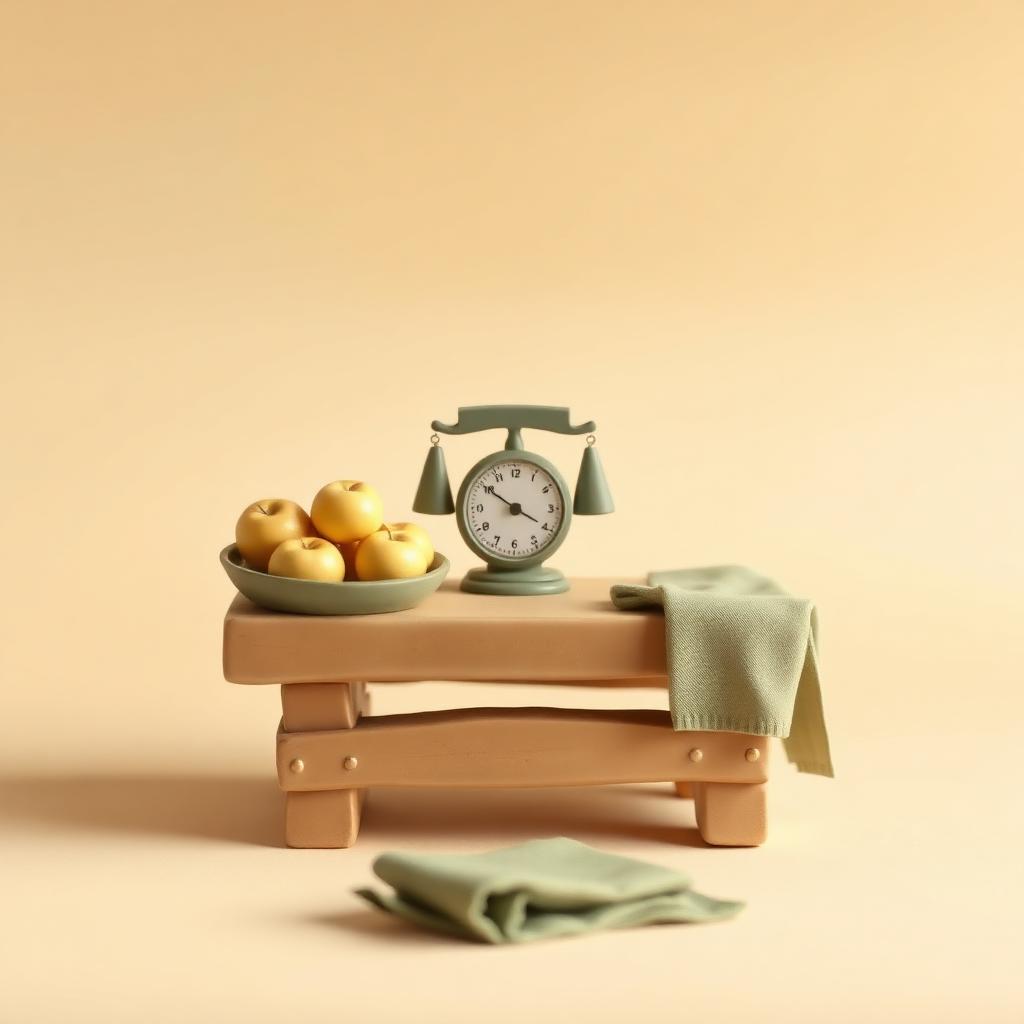
“And give full measure when you measure, and weigh with an even balance. That is the best [way] and best in result.”
“The truthful, trustworthy merchant is with the Prophets, the truthful, and the martyrs.”
Jami' at-Tirmidhi 1209
“O people, Allah is Good and He therefore accepts only that which is good... whereas his diet is unlawful, his drink is unlawful, and his clothes are unlawful and his nourishment is unlawful. How can then his supplication be accepted?”
Sahih Muslim 1015
Do this before next time
Return or put right one small thing this week that was not honestly yours — even if it is only 50p.
Lesson 5 · Israf · ages 8-11
Never wasteful
Islam sits between being stingy and being wasteful. Allah calls those who squander the brothers of the devils.
1The warning
Allah says the wasteful are the brothers of the devils — because waste destroys what Allah gave us to use.
2Eat and drink without excess
Allah says eat and drink but be not excessive, for He does not like those who commit excess.
3In the middle
Allah describes the believers as those who are neither extravagant nor miserly, but in the middle.
4Practical waste
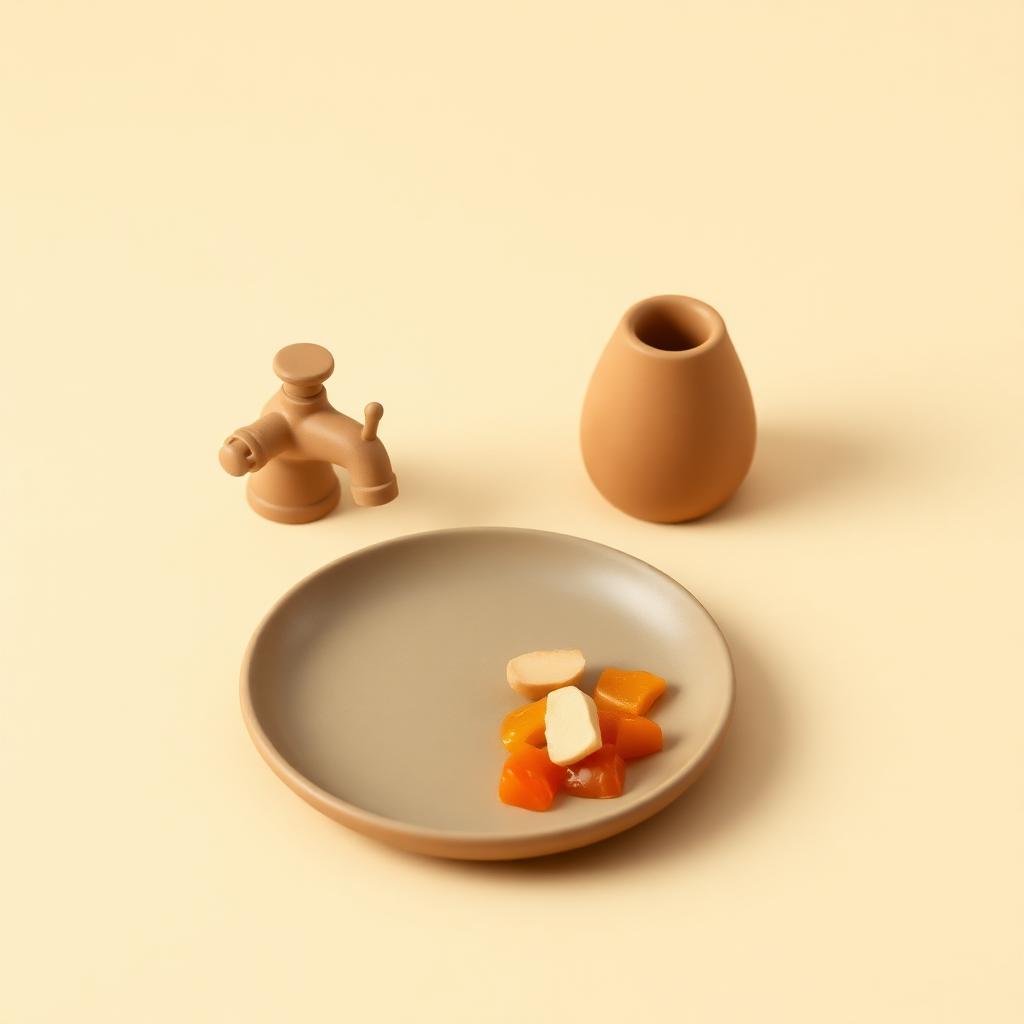
Food thrown away, taps left running, lights left on, clothes bought and never worn — all of it counts.
5Waste and giving are linked
Whatever you stop wasting is something you can give to someone who has none.
Wallazeena izaaa anfaqoo lam yusrifoo wa lam yaqturoo wa kaana baina zaalika qawaamaa
“And [they are] those who, when they spend, do so not excessively or sparingly but are ever, between that, [justly] moderate”
Do this before next time
Measure your family's food waste for one day, then agree on one change to cut it next week.
Every ayah on this page comes from the Tanzil Uthmani text of the Qur'an with the Sahih International translation, and every hadith carries its collection and number so you can check it yourself. Back to the learning path