Hajj is the fifth pillar, and every Muslim who is able goes once in a lifetime. These lessons walk a child through the journey in the order it happens, from the two plain cloths of ihram to the standing at Arafah and the meat shared at Eid al-Adha — with the ayahs and hadith that each rite comes from, so a child understands what the millions of people on television are actually doing.
Lesson 1 · Makkah · ages 5-7
The first house
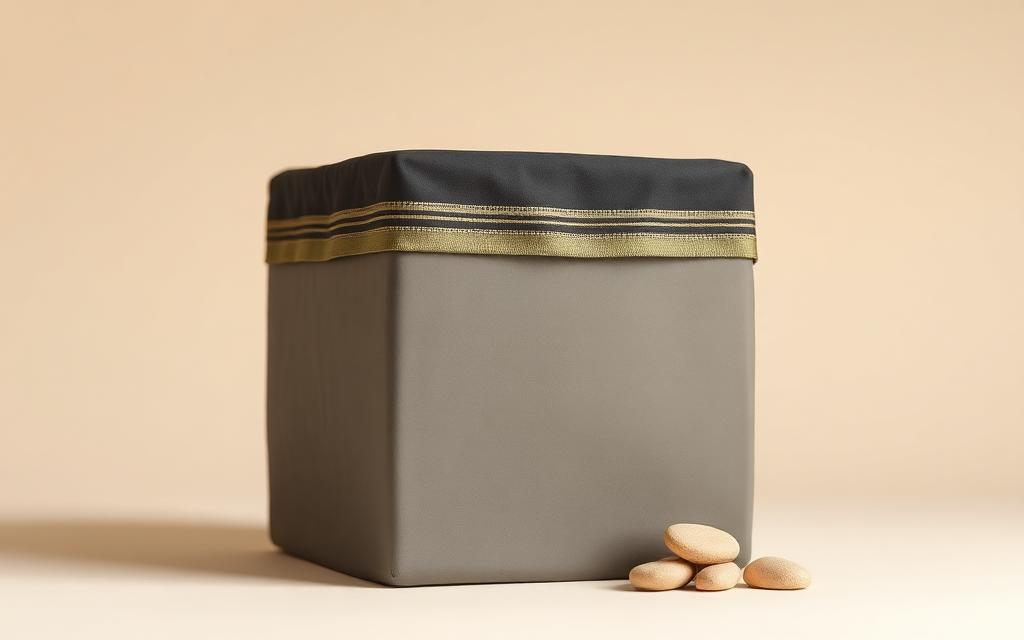
The Ka'bah is a plain cube of stone. It is not worshipped — it is the house Ibrahim and Isma'il raised, and the direction every Muslim faces.
1Ibrahim built it with his son
The Qur'an tells us Ibrahim and Isma'il raised the foundations of the House, praying that Allah accept it from them.
2The first house of worship
Allah calls it the first House established for mankind, at Bakkah, blessed and a guidance for the worlds.
3We face it, we do not worship it
Muslims pray towards the Ka'bah so the whole ummah faces one point; the worship itself is only for Allah.
4The call went out
Ibrahim was told to proclaim the pilgrimage to the people — and they still come, from every country on earth.
5Everyone looks the same there
Around the Ka'bah there are no seats for rich people and no queue for famous people.
Wa iz yarfa'u Ibraaheemul qawaa'ida minal Baitiwa Ismaa'eelu Rabbanaa taqabbal minnaa innaka Antas Samee'ul Aleem
“And [mention] when Abraham was raising the foundations of the House and [with him] Ishmael, [saying], "Our Lord, accept [this] from us. Indeed You are the Hearing, the Knowing.”
Innas Safaa wal-Marwata min sha'aaa'iril laahi faman hajjal Baita awi'tamara falaa junaaha 'alaihi ai yattawwafa bihimaa; wa man tatawwa'a khairan fa innal laaha Shaakirun'Aleem
“Indeed, as-Safa and al-Marwah are among the symbols of Allah. So whoever makes Hajj to the House or performs 'umrah - there is no blame upon him for walking between them. And whoever volunteers good - then indeed, Allah is appreciative and Knowing.”
“Ibn Abbas narrated that Ishmael's mother ran between Safa and Marwa seven times searching for water, until an angel struck the ground near baby Ishmael and Zamzam sprang out.”
Sahih al-Bukhari 3364
“Jabir described the Hajj of the Prophet ﷺ: at the House he made seven circuits, then went out to Safa and Marwa, and later that journey took the pilgrims on to Muzdalifa and Mina.”
Sahih Muslim 1218a
Do this before next time
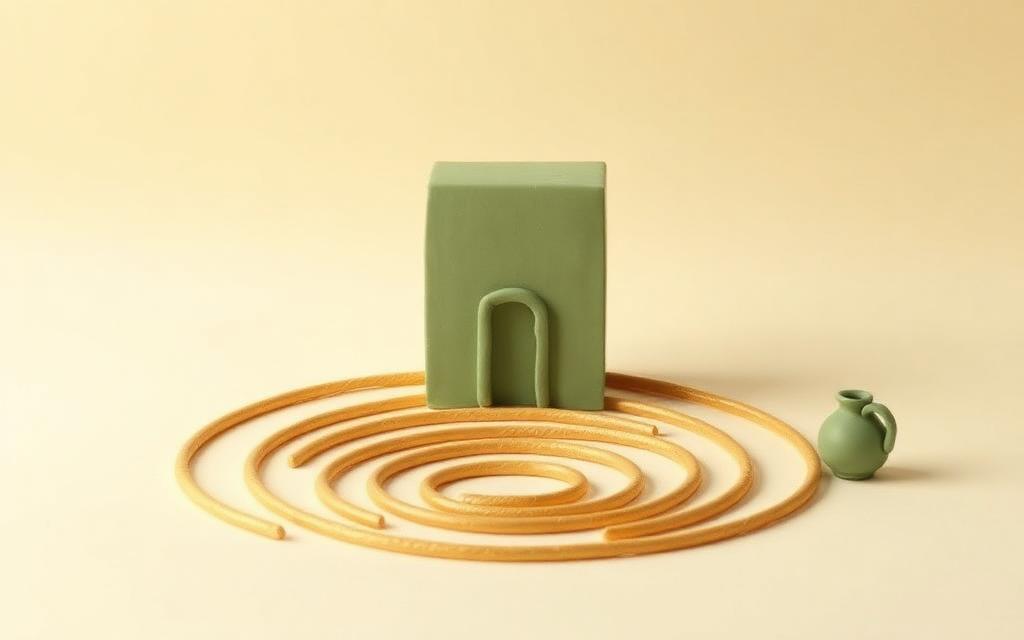
Walk seven slow circles around something in your garden or room while making one dua on each circuit.
Lesson 4 · The heart of Hajj · ages 12-15
The day of Arafah
On the ninth of Dhul-Hijjah everyone stands on the plain of Arafah, hands raised, until sunset. Miss this and there is no Hajj.
1Hajj is Arafah
The Prophet ﷺ had it proclaimed at Arafat: the Hajj is Arafah — whoever came before Fajr has attended the Hajj.
2What people do there
They stand, or sit, and make dua from after Zuhr until sunset. No special building, no ceremony — just asking Allah.
3Fasting for those at home
Muslims who are not on Hajj fast the day of Arafah, which is a sunnah full of reward.
4Coming back clean
The Prophet ﷺ said whoever performs Hajj for Allah's pleasure and avoids sin returns as if he were born anew.
5Then Muzdalifah and Mina
After sunset pilgrims move to Muzdalifah for the night, then to Mina for the remaining days.
“The Hajj is Arafah. Whoever came to Jam during the night, before the time of Fajr, then he has attended the Hajj.”
Jami' at-Tirmidhi 889
“Whoever performs Hajj for Allah's pleasure and does not commit evil or sins, then he will return free from all sins as if he were born anew.”
Sahih al-Bukhari 1521
“Jabir described the Hajj of the Prophet ﷺ: he stood at Arafah until sunset, then travelled on to Muzdalifa for the night and continued to Mina for the days that followed.”
Sahih Muslim 1218a
Do this before next time
On the next day of Arafah, raise your hands after Zuhr and make dua for five people by name.
Lesson 5 · The feast of sacrifice · ages 8-11
Eid al-Adha
The greater Eid remembers Ibrahim's readiness to obey Allah — and the animal Allah sent instead. Most of the meat is given away.
1Ibrahim's test
The Qur'an tells how Ibrahim saw in a dream that he would sacrifice his son, told him, and the boy answered that he would be patient.
2Allah ransomed him
Allah stopped the sacrifice and ransomed the boy with a great sacrifice — the test was obedience, not the killing.
3Prayer first, then udhiyah
The Prophet ﷺ said whoever slaughtered before the Eid prayer had only offered meat to his family, not a sacrifice at all.
4What reaches Allah
Allah says it is not the meat or blood that reaches Him, but the taqwa of the one who offers it.
5Share the meat
The meat is divided between the family, relatives and the poor — the Eid where the neighbours eat best.
“And when he reached with him [the age of] exertion, he said, "O my son, indeed I have seen in a dream that I [must] sacrifice you, so see what you think." He said, "O my father, do as you are commanded. You will find me, if Allah wills, of the steadfast."”
Lany yanaalal laaha luhoo muhaa wa laa dimaaa'uhaa wa laakiny yanaaluhut taqwaa minkum; kazaalika sakhkharhaa lakum litukabbirul laaha 'alaa ma hadaakum; wa bashshirul muhsineen
“Their meat will not reach Allah, nor will their blood, but what reaches Him is piety from you. Thus have We subjected them to you that you may glorify Allah for that [to] which He has guided you; and give good tidings to the doers of good.”
“The first thing we should do on this day of ours is to pray and then return and slaughter our sacrifices. Whoever slaughtered before the prayer, it was just meat that he offered to his family and would not be considered a sacrifice in any way.”
Sahih al-Bukhari 968
Do this before next time
Find out who receives your family's udhiyah meat this year, and help deliver one portion of it.
Every ayah on this page comes from the Tanzil Uthmani text of the Qur'an with the Sahih International translation, and every hadith carries its collection and number so you can check it yourself. Back to the learning path