Taharah

Purity & halal living

Before a child can pray properly they have to be clean, and Islam turns that into a whole way of living: a clean body, clean clothes, clean food and clean habits. Every lesson here is a habit that can start this week — using the miswak, washing before Friday prayers, checking what is in a packet, dressing modestly, and starting with the right hand.

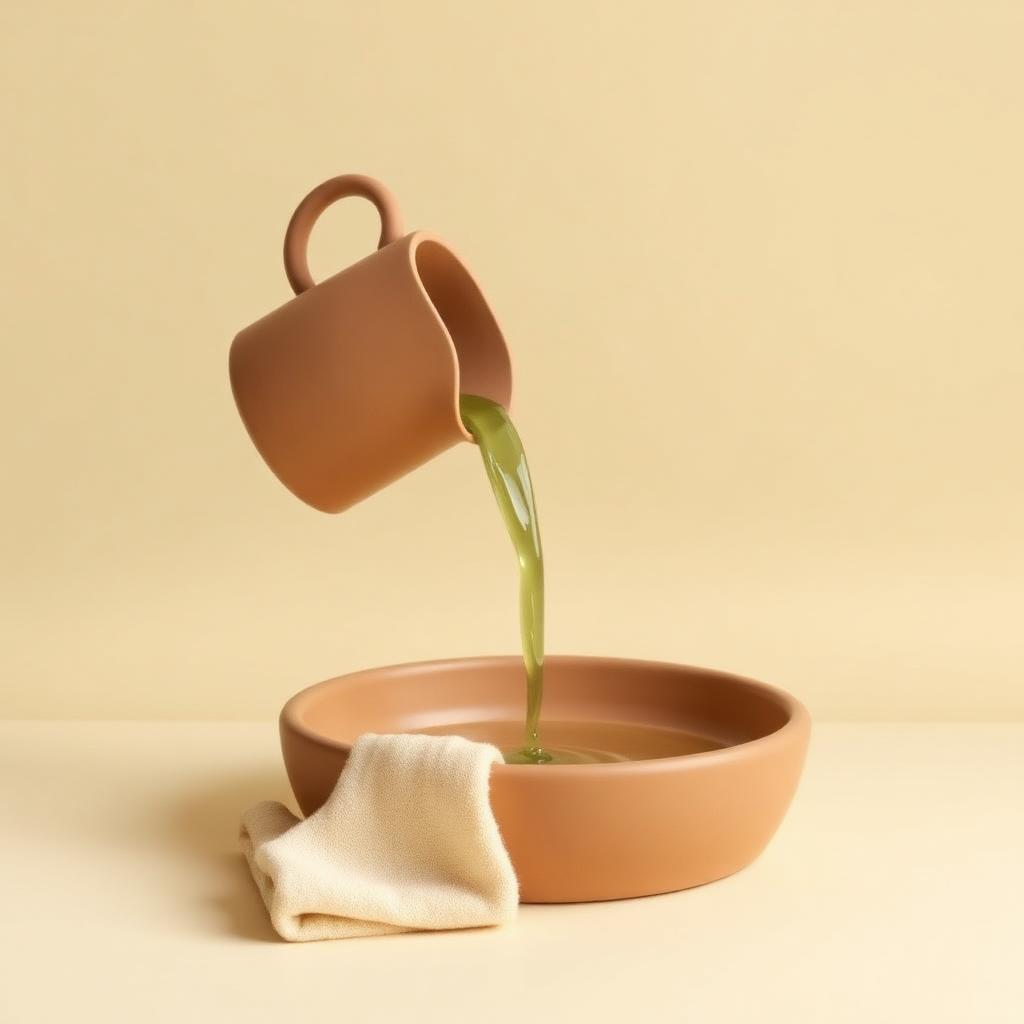
A clay jug pouring clear water into a shallow clay basin with a folded cream towel
A terracotta clay jug tipped over a shallow clay basin with clear water and a folded cream towel

Lesson 1 · Taharah · ages 8-11

Purity is half of faith

Cleanliness is not a side matter in Islam. The Prophet ﷺ called it half of faith, and Allah says He loves those who purify themselves.

  1. The hadith

    The Prophet ﷺ said: cleanliness is half of faith, and al-hamdu lillah fills the scale.

  2. Allah loves it

    Allah says He loves those who are constantly repentant and loves those who purify themselves.

  3. Two kinds of purity

    Taharah of the body — wudu and ghusl — and taharah of the heart from pride, envy and lies. Both are needed.

  4. Wudu is the daily one

    Allah gives the wudu itself in the Qur'an: wash the face, the arms to the elbows, wipe the head and wash the feet to the ankles.

  5. Clean space, clean clothes

    Allah told the Prophet ﷺ to purify his garments; a Muslim prays on a clean spot in clean clothes.

Surah Al-Baqara · 2:222

وَيَسْـَٔلُونَكَ عَنِ ٱلْمَحِيضِ ۖ قُلْ هُوَ أَذًۭى فَٱعْتَزِلُوا۟ ٱلنِّسَآءَ فِى ٱلْمَحِيضِ ۖ وَلَا تَقْرَبُوهُنَّ حَتَّىٰ يَطْهُرْنَ ۖ فَإِذَا تَطَهَّرْنَ فَأْتُوهُنَّ مِنْ حَيْثُ أَمَرَكُمُ ٱللَّهُ ۚ إِنَّ ٱللَّهَ يُحِبُّ ٱلتَّوَّٰبِينَ وَيُحِبُّ ٱلْمُتَطَهِّرِينَ

Wa yas'aloonaka 'anil maheedi qul huwa azan fa'tazilun nisaaa'a fil maheedi wa laa taqraboo hunna hattaa yathurna fa-izaa tathharna faatoohunna min haisu amarakumul laah; innallaaha yuhibbut Tawwaabeena wa yuhibbul mutatahhireen

“And they ask you about menstruation. Say, "It is harm, so keep away from wives during menstruation. And do not approach them until they are pure. And when they have purified themselves, then come to them from where Allah has ordained for you. Indeed, Allah loves those who are constantly repentant and loves those who purify themselves."”

Surah Al-Maaida · 5:6

يَٰٓأَيُّهَا ٱلَّذِينَ ءَامَنُوٓا۟ إِذَا قُمْتُمْ إِلَى ٱلصَّلَوٰةِ فَٱغْسِلُوا۟ وُجُوهَكُمْ وَأَيْدِيَكُمْ إِلَى ٱلْمَرَافِقِ وَٱمْسَحُوا۟ بِرُءُوسِكُمْ وَأَرْجُلَكُمْ إِلَى ٱلْكَعْبَيْنِ ۚ وَإِن كُنتُمْ جُنُبًۭا فَٱطَّهَّرُوا۟ ۚ وَإِن كُنتُم مَّرْضَىٰٓ أَوْ عَلَىٰ سَفَرٍ أَوْ جَآءَ أَحَدٌۭ مِّنكُم مِّنَ ٱلْغَآئِطِ أَوْ لَٰمَسْتُمُ ٱلنِّسَآءَ فَلَمْ تَجِدُوا۟ مَآءًۭ فَتَيَمَّمُوا۟ صَعِيدًۭا طَيِّبًۭا فَٱمْسَحُوا۟ بِوُجُوهِكُمْ وَأَيْدِيكُم مِّنْهُ ۚ مَا يُرِيدُ ٱللَّهُ لِيَجْعَلَ عَلَيْكُم مِّنْ حَرَجٍۢ وَلَٰكِن يُرِيدُ لِيُطَهِّرَكُمْ وَلِيُتِمَّ نِعْمَتَهُۥ عَلَيْكُمْ لَعَلَّكُمْ تَشْكُرُونَ

Yaaa aiyuhal lazeena aamanoo izaa qumtum ilas Salaati faghsiloo wujoohakum wa Aidiyakum ilal maraafiqi wamsahoo biru'oosikum wa arjulakum ilal ka'bayn; wa in kuntum junuban fattahharoo; wain kuntum mardaaa aw'alaa safarin aw jaaa'a ahadum minkum minal ghaaa'iti aw laamastumunnisaaa'a falam tajidoo maaa'an fatayammamoo sa'eedan taiyiban famsahoo biwujoohikum wa aideekum minh; ma yureedul laahu liyaj'ala 'alaikum min harajinw wa laakidy yureedu liyutahhirakum wa liyutimma m'matahoo 'alaikum la'allakum tashkuroon

“O you who have believed, when you rise to [perform] prayer, wash your faces and your forearms to the elbows and wipe over your heads and wash your feet to the ankles. And if you are in a state of janabah, then purify yourselves. But if you are ill or on a journey or one of you comes from the place of relieving himself or you have contacted women and do not find water, then seek clean earth and wipe over your faces and hands with it. Allah does not intend to make difficulty for you, but He intends to purify you and complete His favor upon you that you may be grateful.”

Surah Al-Muddaththir · 74:4

وَثِيَابَكَ فَطَهِّرْ

Wa siyaabaka fatahhir

“And your clothing purify”

“Cleanliness is half of faith and al-Hamdu Lillah fills the scale.”

Sahih Muslim 223

Do this before next time

Do your own wudu in front of a parent and have them check each step against the ayah.
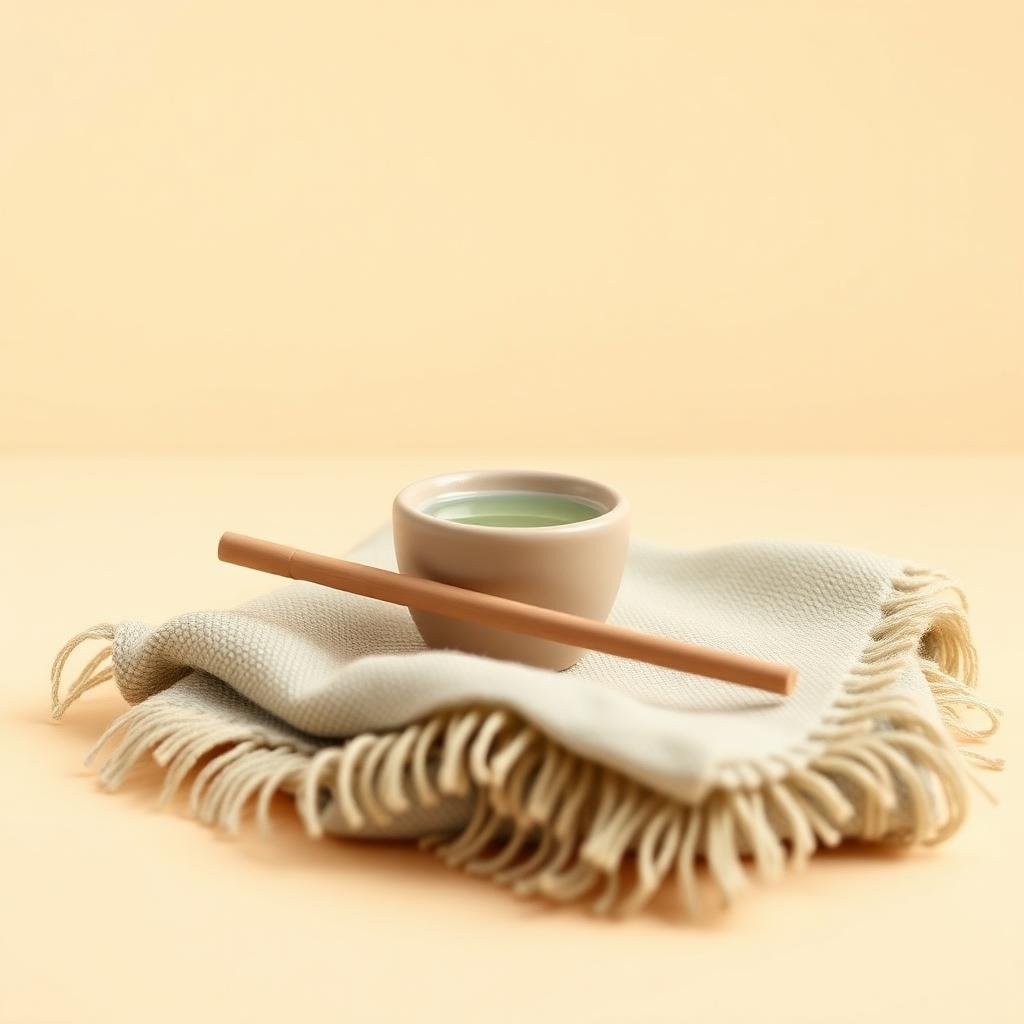
A slim clay miswak stick resting on a fringed cream cloth beside a small cup of water

Lesson 2 · Clean mouth, clean prayer · ages 5-7

The miswak

The Prophet ﷺ loved the miswak so much he almost made it compulsory before every prayer.

  1. Almost an order

    The Prophet ﷺ said that were it not that he feared it would be too hard for people, he would have ordered them to clean their teeth with siwak for every prayer.

  2. It pleases Allah

    The scholars mention that a clean mouth is part of preparing to recite the Qur'an and stand before Allah.

  3. A toothbrush counts

    The sunnah is a clean mouth: a toothbrush does the job when there is no miswak.

  4. When to use it

    Before salah, before reciting Qur'an, when waking up, and when your mouth tastes stale.

  5. A small sunnah, a big habit

    This is one of the easiest habits for a child to keep every day for life.

“Were it not that I might overburden the believers, I would have ordered them to clean their teeth with Siwak for every prayer.”

Sahih al-Bukhari 887

Do this before next time

Clean your teeth before each of the five prayers for one whole day and see how it feels.

A folded stack of clean sage and cream clay clothes with a clay soap bar, comb and small scent bottle

Lesson 3 · The Friday wash · ages 8-11

Getting ready for Jumu'ah

Friday is the Muslim weekly gathering, and we come to it washed, in clean clothes, smelling good.

  1. The hadith

    The Prophet ﷺ said: anyone of you attending the Friday prayers should take a bath.

  2. How binding is it?

    Scholars differ: some hold Friday ghusl to be compulsory on the basis of this wording, and most hold it a strong sunnah. Either way, nobody skips it.

  3. Clean clothes and scent

    The sunnah is to wear your best clean clothes and use a pleasant scent — not to arrive from football in the same shirt.

  4. Go early, sit quietly

    Coming early, not stepping over people, and listening in silence to the khutbah are all part of it.

  5. For girls too

    Jumu'ah in the masjid is a duty on men, but women may attend, and the cleanliness and the Friday habits are for everyone.

“Anyone of you attending the Friday (prayers) should take a bath.”

Sahih al-Bukhari 877

Do this before next time

Lay out clean clothes on Thursday night, then wash and dress for Jumu'ah without being reminded.

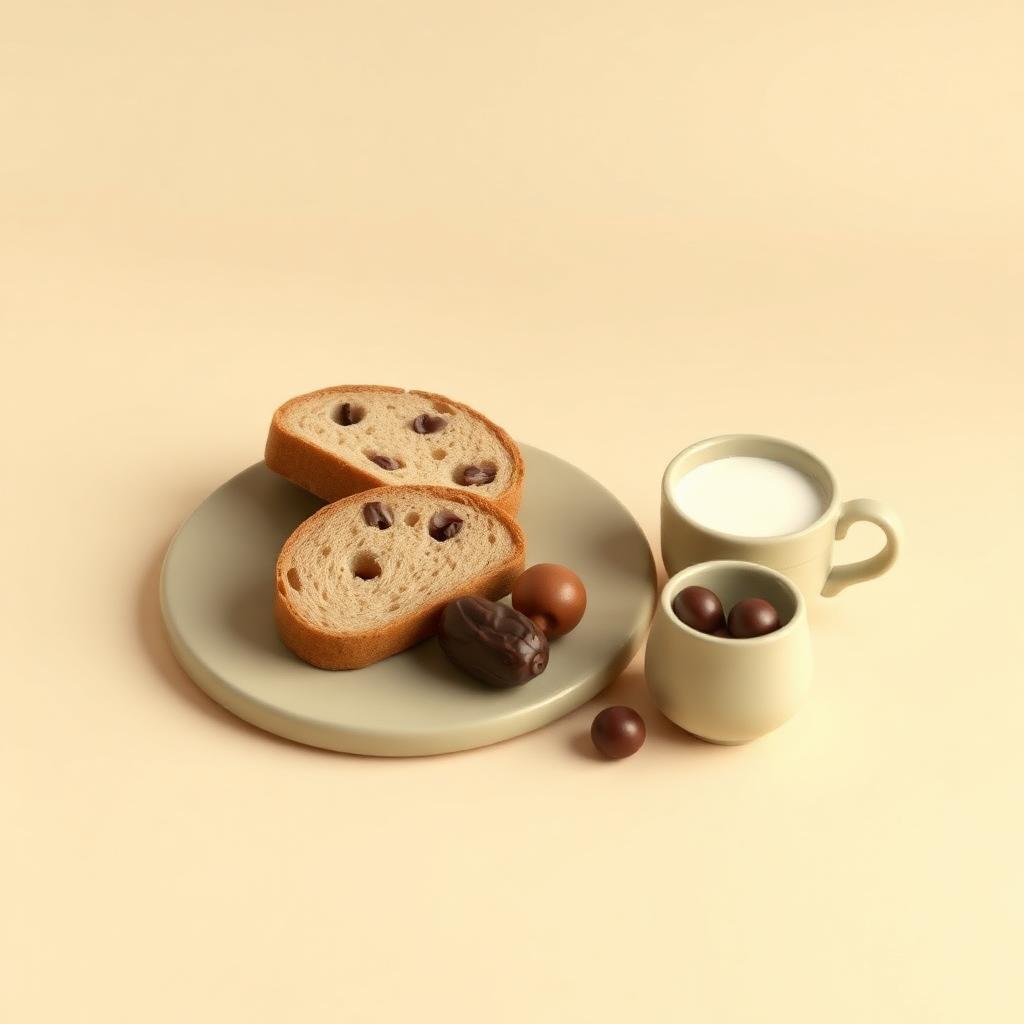
A sage clay plate with clay bread, dates and olives beside a small clay cup of milk

Lesson 4 · What we eat · ages 8-11

Halal and tayyib food

Allah tells us to eat what is halal and tayyib — lawful and wholesome. Muslims check, and they are not shy about asking.

  1. The command

    Allah says: eat of what is lawful and good on the earth — halal and tayyib, allowed and wholesome.

  2. Allah accepts only what is pure

    The Prophet ﷺ said Allah is Good and accepts only what is good, then quoted the ayah telling the believers to eat of the good things given to them.

  3. What is not allowed

    Allah names it plainly: dead meat not slaughtered properly, blood, pork, and anything dedicated to other than Allah.

  4. Intoxicants are out

    Allah calls khamr and gambling the work of Shaytan and tells the believers to keep away from them.

  5. Asking is normal

    Checking a label or asking a waiter is not rude — it is what a Muslim child does, politely.

Surah Al-Baqara · 2:168

يَٰٓأَيُّهَا ٱلنَّاسُ كُلُوا۟ مِمَّا فِى ٱلْأَرْضِ حَلَٰلًۭا طَيِّبًۭا وَلَا تَتَّبِعُوا۟ خُطُوَٰتِ ٱلشَّيْطَٰنِ ۚ إِنَّهُۥ لَكُمْ عَدُوٌّۭ مُّبِينٌ

Yaaa ayyuhan naasu kuloo mimmaa fil ardi halaalan taiyibanw wa laa tattabi'oo khutu waatish Shaitaan; innahoo lakum 'aduwwum mubeen

“O mankind, eat from whatever is on earth [that is] lawful and good and do not follow the footsteps of Satan. Indeed, he is to you a clear enemy.”

Surah Al-Maaida · 5:3

حُرِّمَتْ عَلَيْكُمُ ٱلْمَيْتَةُ وَٱلدَّمُ وَلَحْمُ ٱلْخِنزِيرِ وَمَآ أُهِلَّ لِغَيْرِ ٱللَّهِ بِهِۦ وَٱلْمُنْخَنِقَةُ وَٱلْمَوْقُوذَةُ وَٱلْمُتَرَدِّيَةُ وَٱلنَّطِيحَةُ وَمَآ أَكَلَ ٱلسَّبُعُ إِلَّا مَا ذَكَّيْتُمْ وَمَا ذُبِحَ عَلَى ٱلنُّصُبِ وَأَن تَسْتَقْسِمُوا۟ بِٱلْأَزْلَٰمِ ۚ ذَٰلِكُمْ فِسْقٌ ۗ ٱلْيَوْمَ يَئِسَ ٱلَّذِينَ كَفَرُوا۟ مِن دِينِكُمْ فَلَا تَخْشَوْهُمْ وَٱخْشَوْنِ ۚ ٱلْيَوْمَ أَكْمَلْتُ لَكُمْ دِينَكُمْ وَأَتْمَمْتُ عَلَيْكُمْ نِعْمَتِى وَرَضِيتُ لَكُمُ ٱلْإِسْلَٰمَ دِينًۭا ۚ فَمَنِ ٱضْطُرَّ فِى مَخْمَصَةٍ غَيْرَ مُتَجَانِفٍۢ لِّإِثْمٍۢ ۙ فَإِنَّ ٱللَّهَ غَفُورٌۭ رَّحِيمٌۭ

Hurrimat 'alaikumul maitatu waddamu wa lahmul khinzeeri wa maaa uhilla lighiril laahi bihee walmun khani qatu wal mawqoozatu wal mutarad diyatu wanna teehatu wa maaa akalas sabu'u illaa maa zakkaitum wa maa zubiha 'alan nusubi wa an tastaqsimoo bil azlaam; zaalikum fisq; alyawma ya'isal lazeena kafaroo min deenikum falaa takhshawhum wakh shawn; alyawma akmaltu lakum deenakum wa atmamtu 'alaikum ni'matee wa radeetu lakumul Islaama deenaa; famanidturra fee makhmasatin ghaira mutajaanifil li ismin fa innallaaha Ghafoorur Raheem

“Prohibited to you are dead animals, blood, the flesh of swine, and that which has been dedicated to other than Allah, and [those animals] killed by strangling or by a violent blow or by a head-long fall or by the goring of horns, and those from which a wild animal has eaten, except what you [are able to] slaughter [before its death], and those which are sacrificed on stone altars, and [prohibited is] that you seek decision through divining arrows. That is grave disobedience. This day those who disbelieve have despaired of [defeating] your religion; so fear them not, but fear Me. This day I have perfected for you your religion and completed My favor upon you and have approved for you Islam as religion. But whoever is forced by severe hunger with no inclination to sin - then indeed, Allah is Forgiving and Merciful.”

Surah Al-Maaida · 5:90

يَٰٓأَيُّهَا ٱلَّذِينَ ءَامَنُوٓا۟ إِنَّمَا ٱلْخَمْرُ وَٱلْمَيْسِرُ وَٱلْأَنصَابُ وَٱلْأَزْلَٰمُ رِجْسٌۭ مِّنْ عَمَلِ ٱلشَّيْطَٰنِ فَٱجْتَنِبُوهُ لَعَلَّكُمْ تُفْلِحُونَ

yaaa aiyuhal lazeena aamanooo innamal khamru walmaisiru wal ansaabu wal azlaamu rijsum min 'amalish shaitaani fajtaniboohu la'al lakum tuflihoon

“O you who have believed, indeed, intoxicants, gambling, [sacrificing on] stone alters [to other than Allah], and divining arrows are but defilement from the work of Satan, so avoid it that you may be successful.”

“O people, Allah is Good and He therefore accepts only that which is good.”

Sahih Muslim 1015

Do this before next time

Read the ingredients on three snacks in your kitchen and work out which ones you would eat.

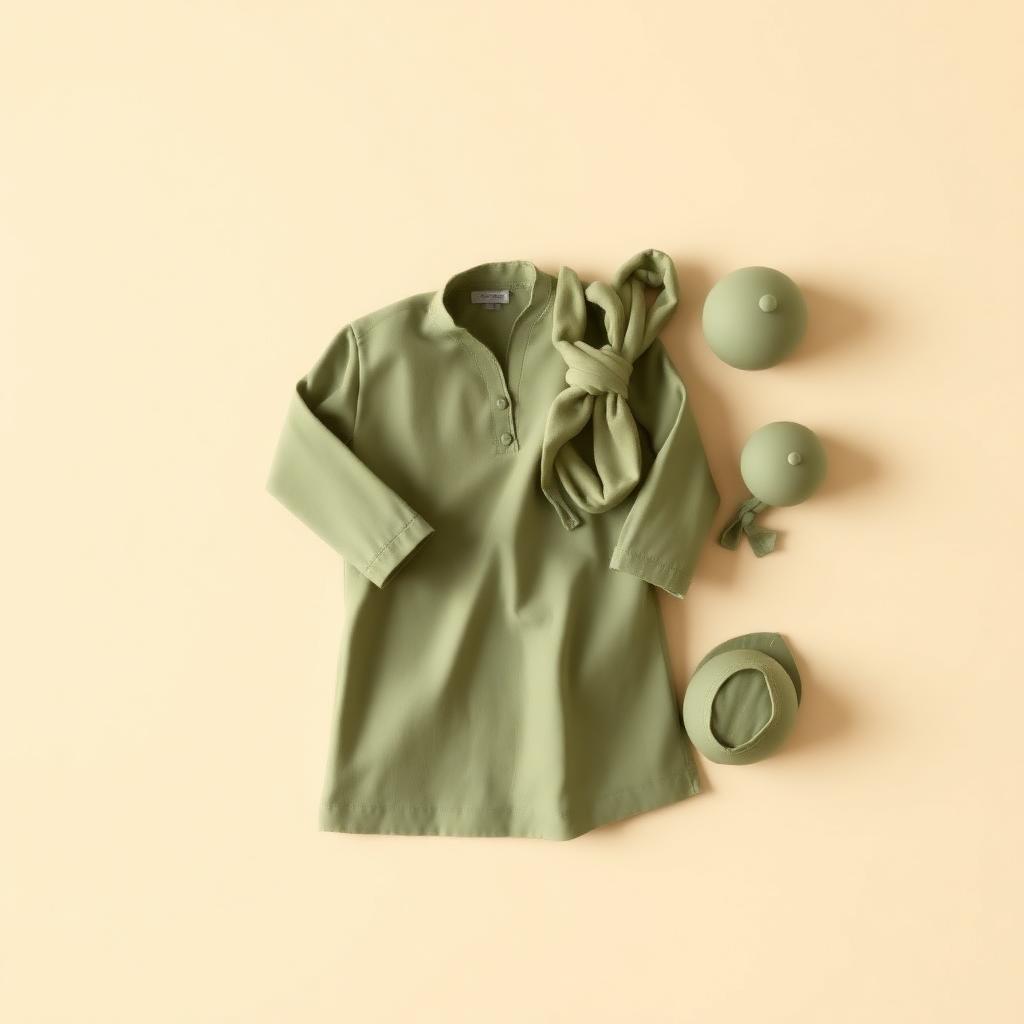
A folded sage clay tunic laid flat beside a folded clay headscarf and a simple clay cap

Lesson 5 · Modesty · ages 12-15

Dressing with hayaa

Hayaa — modesty — is part of faith, and how we dress is part of hayaa. It is about dignity, not about hiding.

  1. Modesty is faith

    When a man told his brother off for being modest, the Prophet ﷺ said: leave him, for hayaa is a part of faith.

  2. Clothing has a purpose

    Allah says He sent down clothing to cover and adorn us, and that the garment of taqwa is the best garment.

  3. For women

    Allah instructs believing women to guard their modesty and draw their coverings over themselves — the hijab is Allah's instruction, not a family custom.

  4. For men too

    Modesty is not only a girls' subject: men also cover, avoid tight and showy clothing, and lower their gaze.

  5. Not about shame

    A Muslim dresses modestly with confidence — you are showing respect for yourself and obeying Allah, not apologising for existing.

Surah Al-A'raaf · 7:26

يَٰبَنِىٓ ءَادَمَ قَدْ أَنزَلْنَا عَلَيْكُمْ لِبَاسًۭا يُوَٰرِى سَوْءَٰتِكُمْ وَرِيشًۭا ۖ وَلِبَاسُ ٱلتَّقْوَىٰ ذَٰلِكَ خَيْرٌۭ ۚ ذَٰلِكَ مِنْ ءَايَٰتِ ٱللَّهِ لَعَلَّهُمْ يَذَّكَّرُونَ

Yaa Baneee Aadama qad anzalnaa 'alaikum libaasany yuwaaree saw aatikum wa reeshanw wa libaasut taqwaa zaalika khair; zaalika min Aayaatil laahi la'allahum yaz zakkaroon

“O children of Adam, We have bestowed upon you clothing to conceal your private parts and as adornment. But the clothing of righteousness - that is best. That is from the signs of Allah that perhaps they will remember.”

Surah An-Noor · 24:31

وَقُل لِّلْمُؤْمِنَٰتِ يَغْضُضْنَ مِنْ أَبْصَٰرِهِنَّ وَيَحْفَظْنَ فُرُوجَهُنَّ وَلَا يُبْدِينَ زِينَتَهُنَّ إِلَّا مَا ظَهَرَ مِنْهَا ۖ وَلْيَضْرِبْنَ بِخُمُرِهِنَّ عَلَىٰ جُيُوبِهِنَّ ۖ وَلَا يُبْدِينَ زِينَتَهُنَّ إِلَّا لِبُعُولَتِهِنَّ أَوْ ءَابَآئِهِنَّ أَوْ ءَابَآءِ بُعُولَتِهِنَّ أَوْ أَبْنَآئِهِنَّ أَوْ أَبْنَآءِ بُعُولَتِهِنَّ أَوْ إِخْوَٰنِهِنَّ أَوْ بَنِىٓ إِخْوَٰنِهِنَّ أَوْ بَنِىٓ أَخَوَٰتِهِنَّ أَوْ نِسَآئِهِنَّ أَوْ مَا مَلَكَتْ أَيْمَٰنُهُنَّ أَوِ ٱلتَّٰبِعِينَ غَيْرِ أُو۟لِى ٱلْإِرْبَةِ مِنَ ٱلرِّجَالِ أَوِ ٱلطِّفْلِ ٱلَّذِينَ لَمْ يَظْهَرُوا۟ عَلَىٰ عَوْرَٰتِ ٱلنِّسَآءِ ۖ وَلَا يَضْرِبْنَ بِأَرْجُلِهِنَّ لِيُعْلَمَ مَا يُخْفِينَ مِن زِينَتِهِنَّ ۚ وَتُوبُوٓا۟ إِلَى ٱللَّهِ جَمِيعًا أَيُّهَ ٱلْمُؤْمِنُونَ لَعَلَّكُمْ تُفْلِحُونَ

Wa qul lilmu'minaati yaghdudna min absaarihinna wa yahfazna furoojahunna wa laa yubdeena zeenatahunna illaa maa zahara minhaa walyadribna bikhumurihinna 'alaa juyoobihinna wa laa yubdeena zeenatahunna illaa libu'oolatihinna aw aabaaa'i hinna aw aabaaa'i bu'oolati hinna aw abnaaa'ihinaa aw abnaaa'i bu'oolatihinnna aw ikhwaanihinnna aw baneee ikhwaanihinna aw banee akhawaatihinna aw nisaaa'i hinna aw maa malakat aimaanuhunna awit taabi'eena ghairi ilil irbati minar rijaali awit tiflillazeena lam yazharoo 'alaa 'awraatin nisaaa'i wala yadribnna bi arjulihinna min zeenatihinn; wa toobooo ilallaahi jammee'an aiyuhal mu'minoona la'allakum tuflihoon

“And tell the believing women to reduce [some] of their vision and guard their private parts and not expose their adornment except that which [necessarily] appears thereof and to wrap [a portion of] their headcovers over their chests and not expose their adornment except to their husbands, their fathers, their husbands' fathers, their sons, their husbands' sons, their brothers, their brothers' sons, their sisters' sons, their women, that which their right hands possess, or those male attendants having no physical desire, or children who are not yet aware of the private aspects of women. And let them not stamp their feet to make known what they conceal of their adornment. And turn to Allah in repentance, all of you, O believers, that you might succeed.”

Surah Al-Ahzaab · 33:59

يَٰٓأَيُّهَا ٱلنَّبِىُّ قُل لِّأَزْوَٰجِكَ وَبَنَاتِكَ وَنِسَآءِ ٱلْمُؤْمِنِينَ يُدْنِينَ عَلَيْهِنَّ مِن جَلَٰبِيبِهِنَّ ۚ ذَٰلِكَ أَدْنَىٰٓ أَن يُعْرَفْنَ فَلَا يُؤْذَيْنَ ۗ وَكَانَ ٱللَّهُ غَفُورًۭا رَّحِيمًۭا

Yaaa aiyuhan Nabiyyu qul li azwaajika wa banaatika wa nisaaa'il mu'mineena yudneena 'alaihinna min jalaabee bihinn; zaalika adnaaa ai yu'rafna falaa yu'zain; wa kaanal laahu Ghafoorar Raheemaa

“O Prophet, tell your wives and your daughters and the women of the believers to bring down over themselves [part] of their outer garments. That is more suitable that they will be known and not be abused. And ever is Allah Forgiving and Merciful.”

“Leave him, for Haya' is a part of faith.”

Sahih al-Bukhari 24

Do this before next time

Talk with a parent about one change to your own clothes that would fit hayaa better, and make it.

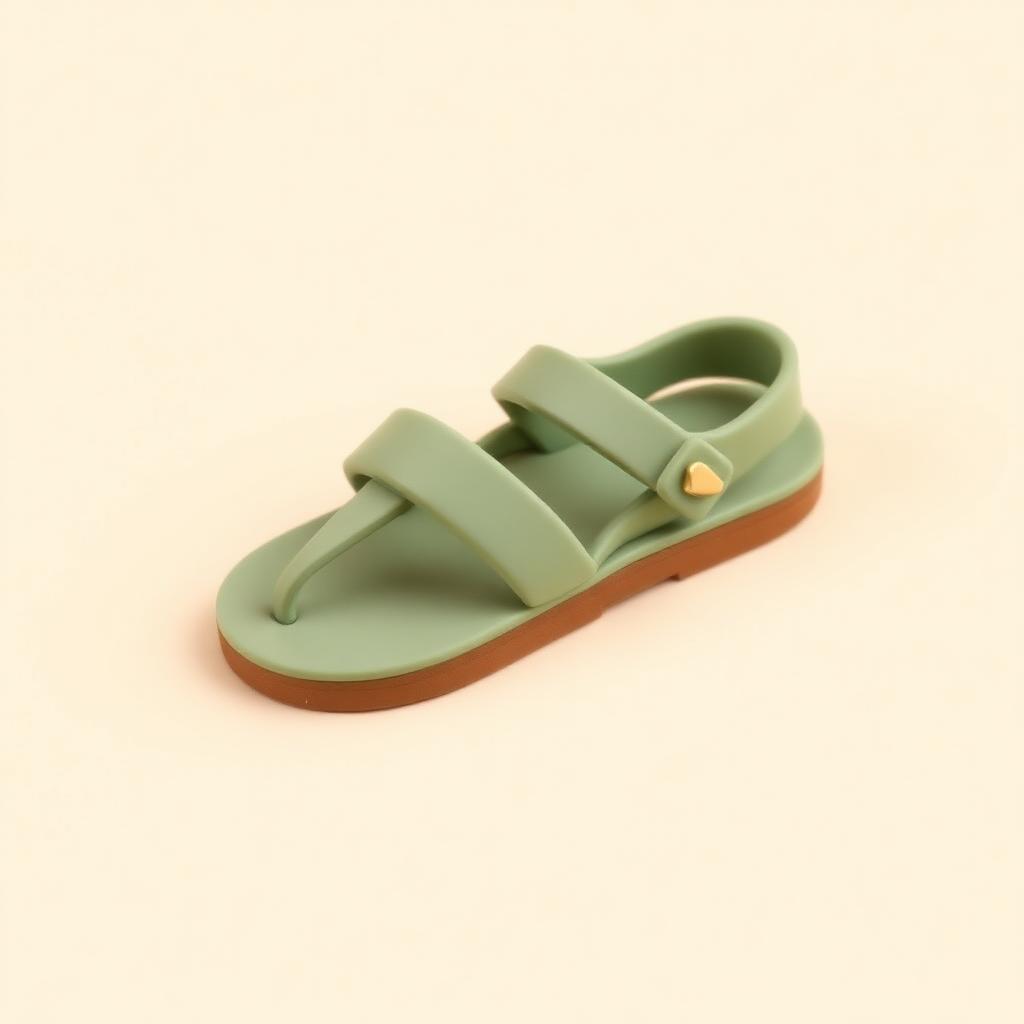
A single sage clay sandal for the right foot with a small gold clay arrow pointing right

Lesson 6 · Small daily sunnahs · ages 5-7

Start with the right

The Prophet ﷺ liked to start from the right side — putting on shoes, combing his hair, washing. It is a tiny sunnah you can keep all day.

  1. The hadith

    'Aishah said the Prophet ﷺ used to like to start from the right side when wearing shoes, combing his hair and washing himself.

  2. Right for good things

    Right hand for eating, drinking, giving and taking; right foot first into the house and into clean places.

  3. Left for cleaning

    The left hand is used for cleaning oneself and for dirty jobs; the left foot goes first into the bathroom.

  4. Wudu order too

    In wudu the right arm and right foot are washed before the left.

  5. Habits shape you

    None of this is difficult, and each one is a moment in the day where you chose to copy the Prophet ﷺ on purpose.

“The Prophet ﷺ used to like to start from the right side on wearing shoes, combing his hair and cleaning or washing himself.”

Sahih al-Bukhari 168

Do this before next time

For one full day, put your right shoe on first and eat only with your right hand.

Every ayah on this page comes from the Tanzil Uthmani text of the Qur'an with the Sahih International translation, and every hadith carries its collection and number so you can check it yourself. Back to the learning path

Next on this shelf: Zakat & giving — 5 lessons.

1-to-1 lessons

Go deeper into purity & halal living

A teacher can answer your child's questions properly, check their understanding, and take this further at their own pace.

Book a tutor for this