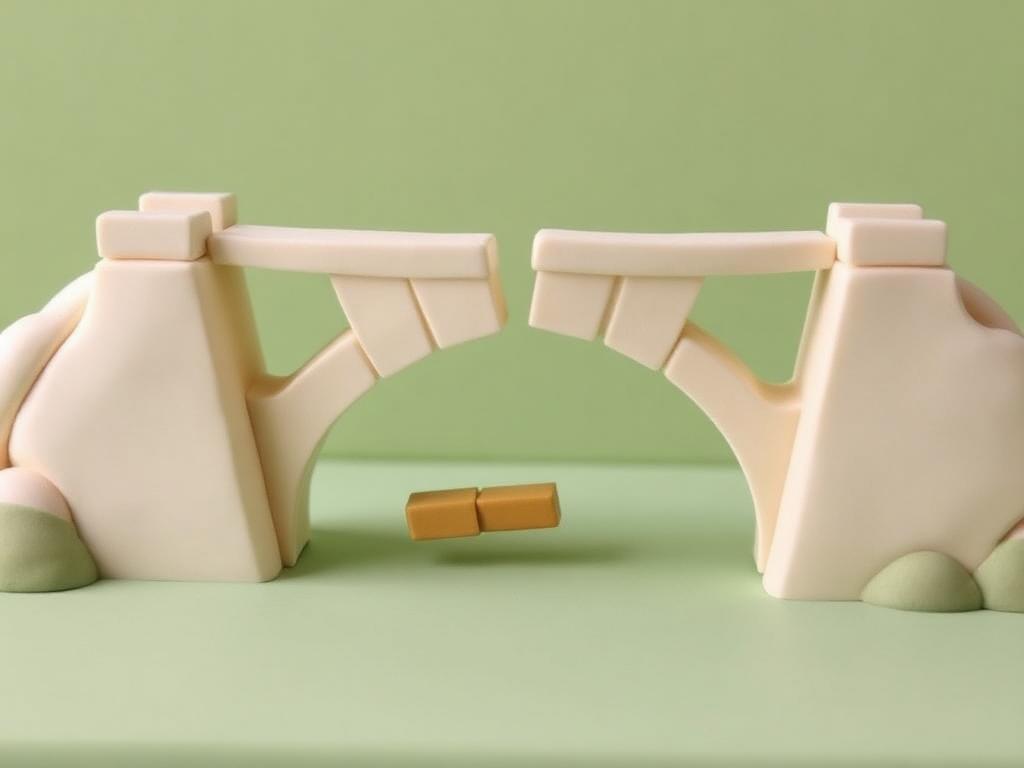
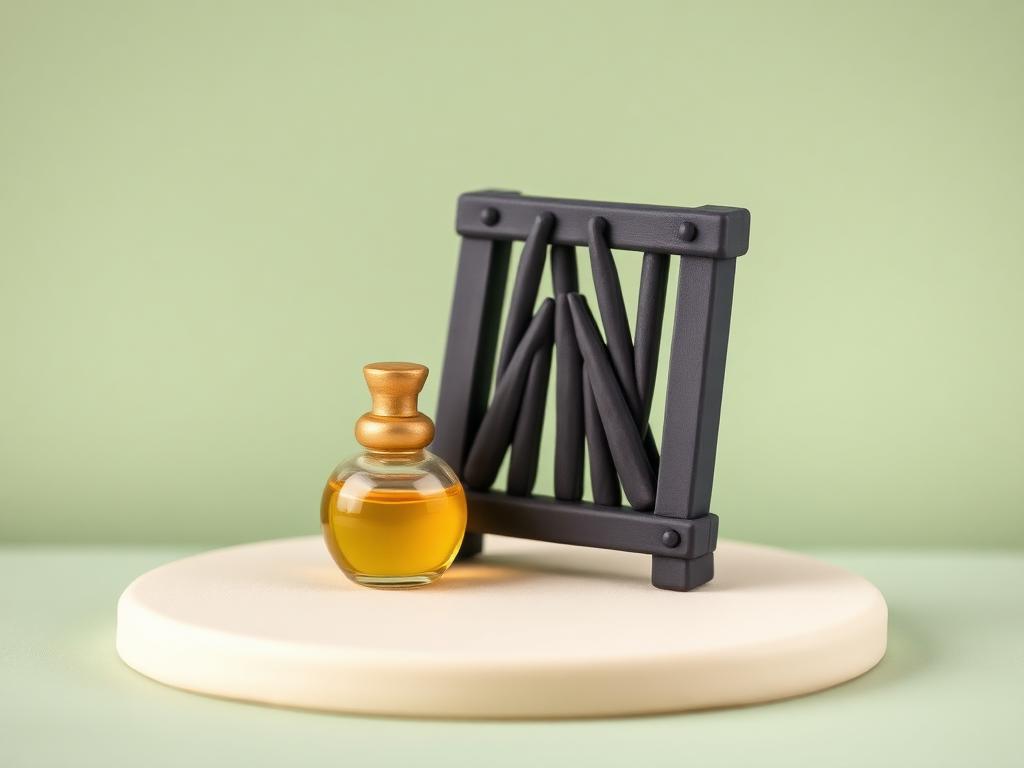
Allah calls the believers brothers, and the Prophet ﷺ described them as one body and as bricks of one wall. For a child, ukhuwwah is very concrete: who you sit with, who you leave out, whether you are glad when a classmate does well, and how quickly you make up after an argument. These five lessons are built on the hadith that faith is not complete until you wish for your brother what you wish for yourself, the similitude of one body, the hadith of believers as interlocking bricks, the warning against deserting a fellow Muslim for more than three days, the hadith of those who love one another for Allah's glory, and the parable of the perfume seller and the blacksmith. Every point carries its ayah or hadith reference.
Lesson 1 · Ukhuwwah · ages 8-11
Wish for others what you want for yourself
The Prophet ﷺ said none of us truly believes until we want for our brother what we want for ourselves — so being glad for other people is part of faith.
1It is part of iman
The Prophet ﷺ said: 'None of you will have faith till he wishes for his brother what he likes for himself.'
2The test is the good news
When a classmate gets the prize or the top mark, notice what your heart does — that is the real measurement.
3Allah calls believers brothers
The Qur'an says the believers are but brothers, so the ties between them are to be repaired, not broken.
4Hasad has a cure
Instead of wishing someone lost what they have, make dua that Allah gives you the same and more.
5Say the good out loud
Congratulating someone plainly — 'well done, that was better than mine' — trains the heart faster than silence.
Wallazeena tabawwa'ud daara wal eemaana min qablihim yuhibboona man haajara ilaihim wa laa yajidoona fee sudoorihim haajatam mimmaa ootoo wa yu'siroona 'alaa anfusihim wa law kaana bihim khasaasah; wa many yooqa shuhha nafsihee fa ulaaa'ika humul muflihoon
“And [also for] those who were settled in al-Madinah and [adopted] the faith before them. They love those who emigrated to them and find not any want in their breasts of what the emigrants were given but give [them] preference over themselves, even though they are in privation. And whoever is protected from the stinginess of his soul - it is those who will be the successful.”
“None of you will have faith till he wishes for his (Muslim) brother what he likes for himself.”
Sahih al-Bukhari 13
Do this before next time
Congratulate one person out loud this week for something you secretly wished you had done.
Lesson 2 · One body · ages 8-11
The believers are one body
When one part of a body hurts, the whole body feels it — that is how the Prophet ﷺ described the Muslims caring for each other.
1The similitude
The Prophet ﷺ said the believers are like one body: when one limb aches, the whole body joins it in sleeplessness and fever.
2Bricks of one wall
He ﷺ also interlocked his fingers and said the believer to the believer is like the bricks of a wall, each strengthening the other.
3Feeling it is not enough
Caring becomes real in a visit, a message, a share of your snack, a place saved on the bench.
4Muslims far away count too
Duas for Muslims in hardship elsewhere are part of being one body, even when you cannot reach them.
5Weakening a brick weakens you
Mocking or excluding someone does not leave you stronger; it cracks the wall you are standing in.
Wa'tasimoo bi Hablil laahi jamee'anw wa laa tafarraqoo; wazkuroo ni'matal laahi alaikum iz kuntum a'daaa'an fa allafa baina quloobikum fa asbah tum bini'matiheee ikhwaananw wa kuntum 'alaa shafaa hufratim minan Naari fa anqazakum minhaa; kazaalika yubaiyinul laahu lakum aayaatihee la'allakum tahtadoon
“And hold firmly to the rope of Allah all together and do not become divided. And remember the favor of Allah upon you - when you were enemies and He brought your hearts together and you became, by His favor, brothers. And you were on the edge of a pit of the Fire, and He saved you from it. Thus does Allah make clear to you His verses that you may be guided.”
“The similitude of believers in regard to mutual love, affection and fellow-feeling is that of one body; when any limb of it aches, the whole body aches, because of sleeplessness and fever.”
Sahih Muslim 2586
“The believer to the believer is like the bricks of a wall, strengthening each other. While (saying that) the Prophet (ﷺ) clasped his hands, by interlacing his fingers.”
Sahih al-Bukhari 481
Do this before next time
Find out one person in your class or masjid who is unwell or sad, and do one concrete thing for them.
Lesson 3 · No cutting off · ages 12-15
Making up quickly
The Prophet ﷺ said it is not allowed for a Muslim to desert his brother for more than three days — arguments are meant to be closed, not collected.
1Three days is the limit
The Prophet ﷺ said: 'It is not lawful for a Muslim to desert (not to speak to) his brother Muslim for more than three days.'
2The better one greets first
Being the first to give salam after a fight is not losing; it is the stronger position.
3Say the wrong out loud
Name what you did — 'I said something rude about your work' — instead of only acting normal again.
4Do not recruit sides
Pulling other friends into your argument turns a two-person problem into a broken group.
5Forgive the way you want to be forgiven
Allah promises His pardon to those who pardon others, so let the matter drop once it is settled.
Wa laa yaatali ulul fadli minkum wassa'ati ai yu'tooo ulil qurbaa walmasaakeena walmuhaajireena fee sabeelillaahi walya'foo walyasfahoo; alaa tuhibboona ai yaghfiral laahu lakum; wal laahu Ghafoorur Raheem
“And let not those of virtue among you and wealth swear not to give [aid] to their relatives and the needy and the emigrants for the cause of Allah, and let them pardon and overlook. Would you not like that Allah should forgive you? And Allah is Forgiving and Merciful.”
Wa jazaaa'u saiyi'atin saiyi'tum misluha faman 'afaa wa aslaha fa ajruhoo 'alal laah; innahoo laa yuhibbuz zaalimeen
“And the retribution for an evil act is an evil one like it, but whoever pardons and makes reconciliation - his reward is [due] from Allah. Indeed, He does not like wrongdoers.”
“It is not lawful for a Muslim to desert (not to speak to) his brother Muslim for more than three days.”
Sahih al-Bukhari 6065
Do this before next time
If there is someone you are not speaking to, give them salam before three days are up.
Lesson 4 · Hubb fillah · ages 12-15
Loving a friend for Allah's sake
Some friendships are built on what you can get; the ones built for Allah are the ones that last into the akhirah.
1A place of light
The Prophet ﷺ reported that Allah says: 'Where are those who loved each other for the sake of My glory? Today I shall shelter them in My shade.'
2What 'for Allah' means
You keep the friendship because the person helps you obey Allah — not because they are popular, rich or useful.
3Tell them
It is sunnah to tell someone you love them for Allah's sake; it strengthens the tie both ways.
4Friendship with a purpose
A friend for Allah's sake reminds you about salah, stops you from backbiting, and studies dhikr with you.
5Some ties are cut on that day
Allah describes friendships built on wrongdoing turning into regret — choose ties you would be happy to be judged with.
“Oh, woe to me! I wish I had not taken that one as a friend.”
“Allah, the Exalted, will say on the Day of Resurrection: Where are those who loved each other for the sake of My glory? Today I shall shelter them in My shade, on a day when there is no shade but Mine.”
Sahih Muslim 2566
Do this before next time
Tell one friend, in plain words, that you love them for the sake of Allah — and say why.
Lesson 5 · Company · ages 8-11
The perfume seller and the blacksmith
The Prophet ﷺ compared a good companion to a seller of musk and a bad one to a blacksmith's bellows — you leave carrying whatever they gave off.
1The parable
He ﷺ said the good companion is like a seller of musk: you either buy some, or at least enjoy the fragrance.
2The other side
The bad companion is like a blacksmith's bellows: it burns your clothes, or you leave with a foul smell on you.
3You copy without deciding to
Words, jokes and habits transfer from a friendship group before you ever choose them.
4Choose before you need to
Decide who your closest friends are while things are calm, not in the middle of a dare.
5Be the musk
Someone in every group is setting the tone — with a little courage, that can be you.
Wasbir nafsaka ma'al lazeena yad'oona Rabbahum bilghadaati wal'ashiyyi yureedoona Wajhahoo wa laa ta'du 'aynaaka 'anhum tureedu zeenatal hayaatid dunyaa wa laa tuti' man aghfalnaa qalbahoo 'an zikrinaa wattaba'a hawaahu wa kaana amruhoo furutaa
“And keep yourself patient [by being] with those who call upon their Lord in the morning and the evening, seeking His countenance. And let not your eyes pass beyond them, desiring adornments of the worldly life, and do not obey one whose heart We have made heedless of Our remembrance and who follows his desire and whose affair is ever [in] neglect.”
Yaaa aiyuhal lazeena aamanut taqul laaha wa koonoo ma'as saadiqeen
“O you who have believed, fear Allah and be with those who are true.”
“The example of a good companion and a bad companion is like that of the seller of musk and the blacksmith's bellows. From the first you would either buy musk or enjoy its good smell, while the bellows would either burn your clothes or your house, or you get a bad nasty smell thereof.”
Sahih al-Bukhari 5534
Do this before next time
Name one habit you picked up from a friend — decide whether it is musk or smoke, and act on the answer.
Every ayah on this page comes from the Tanzil Uthmani text of the Qur'an with the Sahih International translation, and every hadith carries its collection and number so you can check it yourself. Back to the learning path